Written by Kadek Darma
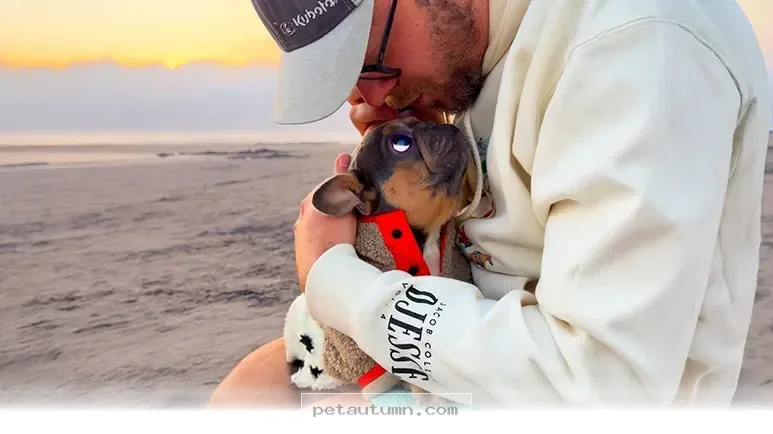
Beverly spent her entire life confined within the walls of a breeding cage, never knowing the warmth of a soft bed or the gentle touch of a kind hand. Her world was small, functional, and devoid of the affection that every dog deserves to experience during their golden years.
Everything changed the day she was rescued and placed into a loving home where she finally found her forever dad. Now, this sweet French Bulldog follows him from room to room, soaking up every bit of attention and making up for all those lost years.
Key Takeaways
- Rescue dogs from commercial breeding environments often require patience and time to decompress.
- Building a bond with a former breeding dog involves consistent routines and gentle positive reinforcement.
- Professional veterinary guidance is essential for addressing the long-term physical health impacts of confinement.
- Creating a safe, predictable environment helps these resilient animals learn how to be dogs again.
Understanding the Journey of Former Breeding Dogs
When you bring home a dog who has lived in a commercial breeding facility, you are essentially welcoming a creature who has never navigated a home environment. They may not recognize household sounds, stairs, or even the feeling of grass beneath their paws.
Taking these dogs into your life is a rewarding experience, but it requires a deep understanding of their background. You must provide them with a sense of security that they have likely never known before.
1. Preparing Your Home for a Rescue Dog
Before your new companion arrives, you should organize your space to minimize stress. Keep things quiet and avoid loud gatherings during the first few weeks of their transition.
- Designate a "safe zone" with a cozy crate or a soft bed.
- Ensure all household members understand the need for slow movements.
- Remove potential hazards like small objects or toxic plants from the floor.
- Set up a consistent daily schedule for meals and bathroom breaks.
2. Recognizing Common Challenges
It is helpful to recognize that behavior is often a reflection of their past. You might notice specific traits that indicate a dog is still learning to process their new reality.
| Behavioral Trait | Meaning | Management Strategy |
|---|---|---|
| Freezing in place | Overwhelmed by new stimuli | Give them space and time |
| Resource guarding | Fear of scarcity | Provide ample food and toys |
| Difficulty house training | Unfamiliarity with floors | Use positive reinforcement only |
| Clinginess | Seeking constant reassurance | Encourage slow, independent play |
Color key: Green = Normal adjustment, Yellow = Needs patience, Red = Consult a trainer.
Providing the Right Care
As your dog begins to settle in, you might find that their physical health needs extra attention. Dogs kept in cages often suffer from muscle atrophy or dental issues due to a lack of proper care and movement.
You should establish a relationship with a local veterinarian as soon as possible. They can help you create a wellness plan that addresses any lingering concerns from their time in the breeding facility.
3. Essential Supplies for Your New Friend
Equipping your home properly will make the transition much smoother for both of you. You do not need the most expensive gear, but you do need items that prioritize comfort and safety.
- A comfortable, orthopedic bed to support their joints.
- Soft, high-quality harnesses rather than restrictive collars.
- Calming pheromone diffusers for the living area.
- A selection of interactive toys to build confidence.
- High-value, healthy training treats for reinforcement.
Building a Lasting Bond
The transformation from a nervous rescue to a happy, lap-loving pet does not happen overnight. It is a slow process of showing them that they are safe and that you are a source of constant love.
When Beverly curls up in her dad’s lap, it is a testament to the power of patience and kindness. You can achieve this same level of trust by being a calm, predictable presence in your dog’s life.
The information on petautumn.com is for general informational purposes only and does not constitute veterinary advice. Pet health needs vary by breed, age, and individual condition. Always consult a licensed veterinarian before making decisions about your pet’s health, diet, or medical treatment. Pet Autumn is not affiliated with any veterinary organization, pet food manufacturer, or breeder.
Every dog has a unique story, and the chapter you write with your rescue will be the most important one. Remember to celebrate the small victories, like a wagging tail or a moment of playful curiosity.
If you are considering adopting a dog with a similar background, reach out to local rescue groups or visit resources like the ASPCA for guidance on adoption. Your patience and love will eventually lead to a bond that is truly unbreakable.

Cat care writer at petautumn.com. English Literature graduate (S.S) from Universitas Udayana. Covers cat breeds, behavior, nutrition, grooming, and health. Cat mom to Luna and Lina. Based in Austin, Texas.