Written by Ayu Pratiwi
Have you ever looked at your cat and felt like they understood every word you were saying? While many of us chat with our feline companions, some cats seem to go beyond simple meows and actually grasp the meaning behind our sentences.
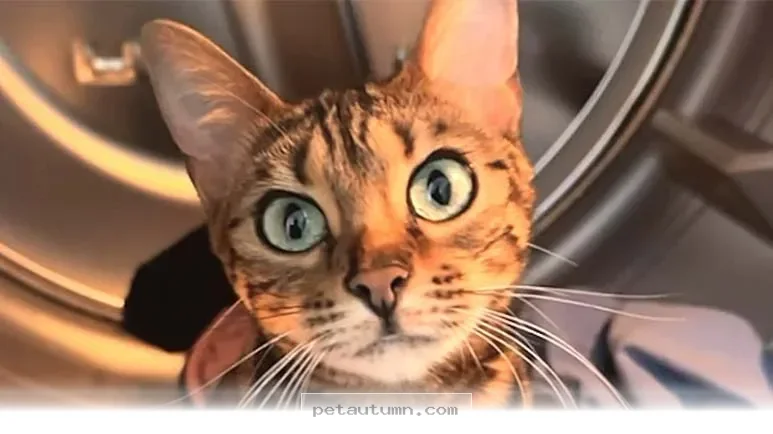
Rory is one of those special cats who seems to have mastered the art of conversation. Her owner discovered that she doesn’t just listen to the tone of voice, but genuinely processes commands and questions with startling accuracy.
- Cats can learn to recognize specific words and associate them with actions or objects.
- Consistent training sessions using positive reinforcement help strengthen communication.
- Body language and vocal cues are just as important as the words you use.
- Trusting your cat’s intuition, as seen with Rory, can sometimes reveal more than we expect.
How Cats Process Human Language
While your cat may not be able to hold a debate about philosophy, they are incredibly skilled at reading your world. Research suggests that cats recognize their names and specific tones, often linking them to positive experiences like treats or playtime.
It is fascinating to observe how they pick up on our routines. If you say "dinner" or "treat" in a specific way, you likely notice your cat perk up instantly. They are masters of pattern recognition, which is the foundation of their communication with us.
1. Steps to Improve Communication with Your Cat
If you want to strengthen the bond with your cat and perhaps help them understand you better, consistency is your best friend. You don’t need a formal classroom to start this process.
- Start with short, simple words for specific actions like "sit" or "come."
- Always use a clear and consistent tone of voice for each command.
- Keep your training sessions brief to ensure your cat stays focused and happy.
- Reward them with high-value treats or affection whenever they respond correctly.
- Practice daily to help reinforce the connection between the word and the desired outcome.
Transitioning into daily habits helps your cat feel more secure and confident in your interactions.
Understanding Feline Behavioral Cues
Beyond words, your cat communicates through a complex system of body language. Recognizing when your cat is relaxed versus stressed can help you tailor your own behavior to match their needs.
| Behavior | Interpretation | Significance |
|---|---|---|
| Slow Blinking | Trust and Affection | A positive sign of comfort |
| Tail Flicking | Irritation or Excitement | Caution: watch for other signs |
| Kneading | Contentment | Usually indicates a happy cat |
| Dilated Pupils | Fear or Intense Play | Warning: proceed with care |
If you notice your cat displaying signs of distress, it is always a good idea to check in with a professional. You can learn more about interpreting these signals through resources like the ASPCA.
The Power of Intuition
Rory’s story is particularly unique because she seemingly acts as a judge of character. Many owners report that their pets seem to have a sixth sense about the people who enter their lives.
Whether it is a strange vibration in the room or subtle changes in a person’s behavior, cats are incredibly observant. When you notice your cat acting shy or defensive around someone new, it is worth acknowledging their feelings.
Building a Language of Trust
Building this level of understanding requires patience and a gentle approach. You must be willing to observe your cat as much as you expect them to observe you.
Essential Supplies for Training
- A bag of healthy, low-calorie training treats.
- A clicker for marking successful responses.
- A quiet, distraction-free space for practice.
- Plenty of patience and a positive attitude.
Remember that every cat learns at their own pace. Some may pick up tricks in a single afternoon, while others prefer to observe from a distance.
The information on petautumn.com is for general informational purposes only and does not constitute veterinary advice. Pet health needs vary by breed, age, and individual condition. Always consult a licensed veterinarian before making decisions about your pet’s health, diet, or medical treatment. Pet Autumn is not affiliated with any veterinary organization, pet food manufacturer, or breeder.
Even if your cat never learns to "talk back" like Rory, the effort you put into communicating with them creates a beautiful, unspoken language. It deepens your connection and makes every day with your companion more meaningful.
Cherish these small moments of connection. Whether it is a soft purr or a look of recognition, your cat is telling you that they truly value the life you share together.

Cat care writer at petautumn.com. English Literature graduate (S.S) from Universitas Udayana. Covers cat breeds, behavior, nutrition, grooming, and health. Cat mom to Luna and Lina. Based in Austin, Texas.