Written by Ayu Pratiwi
Have you ever wondered why your cat insists on carrying around random objects like a prize hunter? Some felines are born collectors, turning your living room into a gallery of bizarre, misplaced treasures.
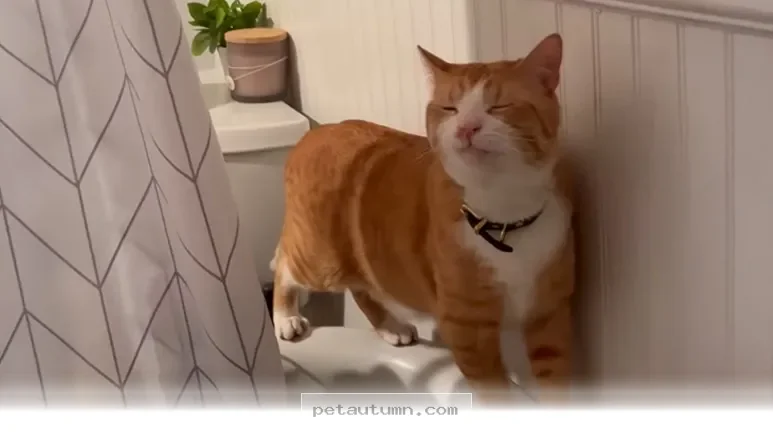
Oliver is one such cat, a resilient survivor who turned a rough start into a life of curious, kleptomaniac joy. His habit of hoarding household items has made him a viral sensation and a true character in his home.
Key Takeaways
- Hoarding is often a natural extension of a cat’s predatory instinct to gather and protect resources.
- Common "treasures" cats collect include hair ties, bottle caps, socks, and small kitchen tools.
- Always monitor your cat for signs of pica, which involves eating non-food items, as this requires medical attention.
- Provide safe, interactive toys to redirect your cat’s urge to hunt and collect.
- Cat-proofing your home by hiding small, swallowable objects keeps your curious treasure hunter safe.
Understanding Your Cat’s Collecting Habit
Most of us have dealt with the "missing sock" mystery, only to find it tucked away in a dark corner under the bed. For cats, these items aren’t just trash; they are part of a secret stockpile that brings them a sense of security and accomplishment.
This behavior often stems from their wild ancestors, who would bring prey back to a safe "den" area. When your cat brings you a plastic ring or a crumpled receipt, they might be mimicking this instinctual gathering behavior.
Why Cats Hoard Items
- Predatory Drive: Collecting objects satisfies the mental itch to hunt, capture, and secure resources.
- Scent Marking: Items that carry your scent, like laundry, make your cat feel safe and connected to you.
- Boredom: If your cat lacks mental stimulation, they will invent games to keep their mind sharp.
- Attention Seeking: They quickly learn that stealing your favorite pen results in a hilarious chase, which is a great game for them.
Comparing Common Collector Traits
| Item Type | Why They Want It | Risk Level |
|---|---|---|
| Soft Socks | Smells like you | Low |
| Plastic Caps | Sounds like prey | Moderate |
| Hair Ties | High elasticity | High (Warning) |
| Shiny Foil | Visually stimulating | Moderate |
Please note: Items like hair ties or rubber bands pose a severe choking and digestive hazard. If you suspect your cat has ingested a foreign object, contact your veterinarian immediately.
Keeping Your Treasure Hunter Safe
While it is adorable to watch Oliver drag a piece of Tupperware across the floor, we have to stay vigilant. A home filled with loose trinkets can quickly become a dangerous playground for an inquisitive feline.
You should regularly audit your home to ensure no small, swallowable items are within reach. It is much better to provide safe alternatives than to spend time worrying about what might be hiding under the sofa.
1. Identify and Remove Hazards
Walk through your home at your cat’s eye level to spot potential treasures. Remove items like sewing supplies, elastic bands, and small beads that could easily be swallowed.
2. Provide Appropriate Alternatives
If your cat loves to carry things, give them toys that mimic the size and weight of their "treasures." Small felt mice, crinkle balls, or soft plush toys are excellent replacements for your household objects.
3. Implement Interactive Play
Sometimes a cat collects things simply because they are bored and need a job to do. Schedule two or three daily play sessions to burn off that excess energy, which often reduces the need for them to go "shopping" for their own toys.
4. Create a "Treasure Box"
Instead of letting them raid your desk, dedicate a specific box for their favorite items. You can rotate these toys periodically to keep the collection feeling fresh and exciting for them.
5. Monitor for Changes
If your cat suddenly starts hoarding an excessive amount of items or shows signs of distress, it might be a sign of a behavioral shift. Keep an eye on their daily patterns and consult a professional if you notice anything unusual.
The information on petautumn.com is for general informational purposes only and does not constitute veterinary advice. Pet health needs vary by breed, age, and individual condition. Always consult a licensed veterinarian before making decisions about your pet’s health, diet, or medical treatment. Pet Autumn is not affiliated with any veterinary organization, pet food manufacturer, or breeder.
Watching a cat like Oliver express his personality through his peculiar collections is one of the joys of pet parenthood. Even if it means occasionally losing a sock, the bond created through play and understanding is well worth the trouble.
Stay patient with your little collector and keep their environment safe. With a bit of redirection and plenty of love, you can ensure your cat continues to thrive while keeping your household treasures exactly where they belong.
Cat care writer at petautumn.com. English Literature graduate (S.S) from Universitas Udayana. Covers cat breeds, behavior, nutrition, grooming, and health. Cat mom to Luna and Lina. Based in Austin, Texas.