Written by Kadek Darma
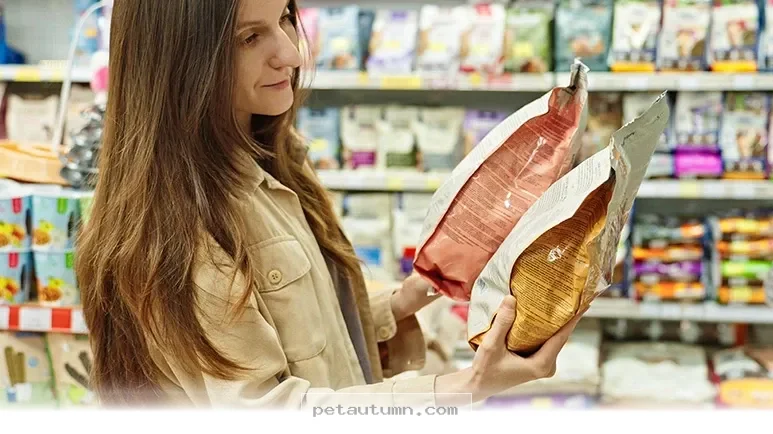
When you scan the back of your pet’s food bag, you see a list of ingredients, a guaranteed analysis, and a feeding chart. What you don’t see is one of the most studied and most consequential compounds in modern processed food.
It is not required to be listed, and it forms during the same cooking process that gives your dog’s kibble its shelf life. These compounds are known as Advanced Glycation End-products, or AGEs, and they are worth your attention.
Key Takeaways
- AGEs are compounds created when sugar molecules bind to proteins or fats during high-heat processing.
- Commercial pet foods often undergo multiple rounds of high-heat treatment, which significantly increases AGE concentration.
- Research indicates that dogs and cats may consume significantly higher levels of these glycotoxins compared to humans.
- Elevated AGE levels are linked to chronic inflammation, oxidative stress, and various age-related health conditions.
- You can reduce your pet’s exposure by incorporating fresh, minimally processed foods into their daily diet.
Understanding Advanced Glycation End-products
AGEs form when a sugar molecule binds to a protein or fat. They occur naturally in the body as a byproduct of metabolism, but they also enter the body through food.
In the kitchen, they are created through the Maillard reaction. This is the same chemical process that gives browned meat its color and caramelized sugar its distinct flavor.
1. How AGEs Impact Pet Health
While these compounds make food taste appealing, they carry significant health implications for our canine companions. Some researchers have classified certain types of AGEs as probable carcinogens.
Studies have linked these compounds to several health challenges, including:
- Increased systemic inflammation
- Chronic oxidative stress
- Potential for kidney dysfunction
- Accelerated cellular aging
- Development of neurodegenerative disorders
2. Why Processing Matters
Two key features of commercial pet food production make it a primary source of dietary AGEs. The first is heat, as kibble is typically processed at temperatures up to 400 degrees Fahrenheit.
The second factor is starch content. Most kibble relies on significant amounts of carbohydrates to maintain its structure during the extrusion process.
| Food Type | Processing Level | Risk Level |
|---|---|---|
| Fresh/Raw Diet | Minimal | Low |
| Air-Dried Food | Moderate | Medium |
| Standard Kibble | High | High |
3. Comparing Exposure Levels
Research measuring AGE levels in pet foods has produced some striking data regarding our pets. A 2014 analysis found that the average daily intake of hydroxymethylfurfural, a common AGE, was 122 times higher for dogs than for humans.
Kibble-fed dogs often take in significantly higher amounts of these compounds on a per-kilogram-of-body-weight basis. This discrepancy highlights why we should look closer at what we put in the bowl.
Practical Steps to Reduce Exposure
You do not need a complete dietary overhaul to start making a difference for your dog. Small, consistent changes in your feeding routine can lead to lower overall intake.
1. Incorporate Fresh Foods
Try adding fresh, whole, non-starchy foods to at least 10 to 20 percent of your dog’s diet. Fresh vegetables, lightly steamed proteins, or fresh food toppers can help dilute the concentration of processed ingredients.
2. Choose Less-Processed Options
When you shop, look for brands that prioritize gentle cooking methods. Air-dried or freeze-dried diets are often processed at much lower temperatures than traditional kibble.
3. Manage Total Starch
Read labels carefully to understand the total carbohydrate load. Even grain-free formulas can be high in starchy fillers like peas or lentils, which contribute to AGE formation during heat processing.
4. Avoid High-Heat Home Cooking
If you prepare homemade meals, skip the high-heat searing or deep frying. Opt for poaching, steaming, or light boiling to keep the chemical profile of the ingredients closer to their natural state.
The information on petautumn.com is for general informational purposes only and does not constitute veterinary advice. Pet health needs vary by breed, age, and individual condition. Always consult a licensed veterinarian before making decisions about your pet’s health, diet, or medical treatment. Pet Autumn is not affiliated with any veterinary organization, pet food manufacturer, or breeder.
Understanding the hidden aspects of pet nutrition empowers you to make better choices for your dog. While you cannot eliminate all environmental exposure, focusing on the quality of their daily intake is a fantastic step toward long-term wellness.
Start by examining the labels on your current food bag and exploring fresher alternatives. Your dog relies on you to be their advocate, and small adjustments in their bowl can pay off in their vitality for years to come.

Cat care writer at petautumn.com. English Literature graduate (S.S) from Universitas Udayana. Covers cat breeds, behavior, nutrition, grooming, and health. Cat mom to Luna and Lina. Based in Austin, Texas.