Written by Kadek Darma
Let’s be honest about something: Most dogs don’t actually want a spa day. They really just want a long walk, a warm nap in a sunbeam, and for everyone to stop talking so loudly near the couch.
That does not mean at-home wellness is a waste for your canine companion. For anxious dogs, rescue pups with rough histories, seniors slowing down, or high-energy breeds who never seem to find their off switch, a few simple, evidence-backed practices can make a real difference in their quality of life.
Key Takeaways
- Massage actively shifts a dog’s nervous system from fight-or-flight mode into a restorative state.
- Consistent bodywork helps you act as an early-warning system for new lumps, bumps, or skin sensitivities.
- Focus on long, rhythmic strokes to lower cortisol levels and boost the production of bonding hormones like oxytocin.
- Always prioritize your dog’s consent; if they walk away or show signs of stress, respect their boundaries immediately.
Why Massage Works for Your Dog
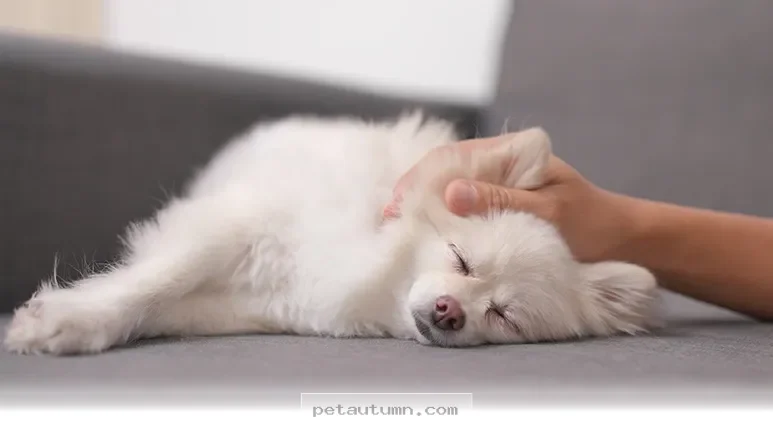
Dog massage might sound like a human indulgence, but the physiology behind it is well-documented. When you massage your dog, their brain releases oxytocin, which is the hormone associated with trust and relaxation.
Research published by the American Kennel Club suggests that intentional, slow touch helps lower cortisol levels. It actively shifts your dog’s nervous system from a state of high alert into a calm, resting state.
The Physical Benefits of Regular Bodywork
While the emotional benefits are wonderful, the physical response to consistent massage is even more impressive. You are essentially helping your dog manage their own physical health through manual stimulation.
| Benefit | Impact |
|---|---|
| Circulation | Boosts oxygen delivery to muscles |
| Lymphatic System | Supports natural immune function |
| Joint Mobility | Eases stiffness in senior dogs |
| Early Detection | Identifies new lumps or skin issues |
1. How to Perform a Basic Wellness Massage
You do not need a professional certification to help your dog feel better. You only need slow hands, a quiet room, and about ten minutes of your undivided attention.
- Choose the right moment: Wait until the house is quiet and your dog is already naturally winding down. Do not attempt this when they are hyper-focused on toys or expecting their dinner.
- Use long, opening strokes: Begin with the flat of your palm. Move from the top of the head, down the neck, over the shoulders, and along the back. Keep the rhythm slow and even to signal that something different is happening.
- Target tension areas: Use small, circular motions with your fingertips on either side of the spine. Never apply pressure directly onto the vertebrae. For senior dogs, gentle work around the hips can help soothe chronic stiffness.
- Monitor their comfort: If your dog leans into your hand, sighs deeply, or keeps their eyes soft, they are likely enjoying the session. If they stiffen up or walk away, stop the practice immediately.
2. Reading Your Dog’s Body Language
Consent is the most important part of any wellness practice. Your dog communicates their comfort level through subtle shifts in posture and behavior.
- Signs of Enjoyment: Leaning into your touch, rhythmic breathing, soft/droopy eyes, and stretching out on their side.
- Signs of Stress or Discomfort: Excessive yawning, lip-licking, looking back at your hand, or moving away from your reach.
The Importance of Natural Environments
While massage is a wonderful tool, it is not the only way to reset your dog’s stress levels. The most impactful wellness treatment for many dogs is simply spending 30 to 45 minutes of off-leash time in a low-stimulation, natural environment.
Taking your dog to a quiet field or a secluded trail three or four times a week allows them to sniff and explore at their own pace. This mental stimulation provides a level of decompression that no indoor activity can replicate.
The information on petautumn.com is for general informational purposes only and does not constitute veterinary advice. Pet health needs vary by breed, age, and individual condition. Always consult a licensed veterinarian before making decisions about your pet’s health, diet, or medical treatment. Pet Autumn is not affiliated with any veterinary organization, pet food manufacturer, or breeder.
Incorporating these practices into your weekly routine will strengthen your bond while helping your dog navigate the world with a little more ease. Remember that every dog is an individual, and some may take longer to get used to being handled in this way.
Be patient with the process and keep your sessions short to begin with. Over time, your dog will learn to look forward to these quiet moments of connection as a highlight of their day.

Cat care writer at petautumn.com. English Literature graduate (S.S) from Universitas Udayana. Covers cat breeds, behavior, nutrition, grooming, and health. Cat mom to Luna and Lina. Based in Austin, Texas.