Written by Kadek Darma
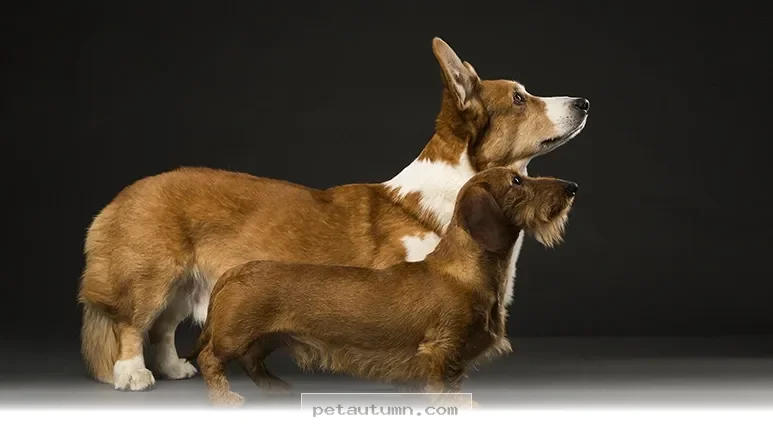
Does your furry companion have those iconic, adorable short legs and a sturdy, long frame? You might be surprised to learn that these traits are often linked to a specific set of genetic conditions known as dwarfism.
While these breeds are undeniably charming, understanding the biology behind their shape is a vital part of being a responsible owner. Let’s look at what these genetics mean for your pet’s daily comfort and long-term wellness.
Key Takeaways
- Chondrodystrophy and chondrodysplasia are forms of dwarfism intentionally bred into popular dogs like Corgis, Dachshunds, and Bulldogs.
- These genetic traits lead to a higher risk of spinal issues, particularly intervertebral disc disease, which requires careful weight management.
- Pituitary dwarfism is a rare, more serious hormonal condition requiring lifelong veterinary care.
- Early intervention and maintaining a lean body condition are the best ways to support your dog’s mobility and health.
Understanding Common Canine Dwarfism
When we talk about the most common "cute" dwarfism in dogs, we are referring to chondrodystrophy and chondrodysplasia. These conditions affect how cartilage hardens into bone during fetal development, resulting in those short, sometimes bowed limbs we recognize in many popular breeds.
These traits are generally considered a dominant genetic characteristic. This means that if a puppy inherits the gene from even one parent, they will likely display these classic physical proportions.
1. Breeds Frequently Associated with These Traits
Many of our favorite companion breeds have been shaped by these genetics for generations. You will often see these physical characteristics in:
- Dachshunds
- Pembroke Welsh Corgis
- French and English Bulldogs
- Basset Hounds
- Pugs
- Pekingese
2. Managing the Risks of a Long Frame
Because these dogs have a long, low profile, their spines face unique mechanical pressures. Ensuring your dog stays at a healthy weight is one of the most effective ways to protect their back and joints from unnecessary strain.
You should also be mindful of how your dog interacts with your home environment. Limiting high-impact jumps from sofas or beds can significantly reduce the risk of spinal injury over time.
The information on petautumn.com is for general informational purposes only and does not constitute veterinary advice. Pet health needs vary by breed, age, and individual condition. Always consult a licensed veterinarian before making decisions about your pet’s health, diet, or medical treatment. Pet Autumn is not affiliated with any veterinary organization, pet food manufacturer, or breeder.
Recognizing Potential Health Challenges
While many dogs with these genetic traits live full and happy lives, it is helpful to monitor them for specific health concerns. Keep a close eye on your dog’s movement and behavior as they age.
Common Signs of Concern
If you notice any of these changes, reach out to your veterinarian for a checkup:
- Hesitation to jump or climb stairs
- An arched or tucked back while walking
- Visible stiffness in the neck or limbs
- Sudden lethargy or a change in activity levels
- Weakness in the hind legs or dragging toes
Comparison of Dwarfism Types
| Feature | Chondrodystrophy | Pituitary Dwarfism |
|---|---|---|
| Cause | Genetic bone growth mutation | Growth hormone deficiency |
| Commonality | Very common in specific breeds | Rare and often unexpected |
| Main Concern | Spinal and disc issues | Systemic hormonal imbalances |
Managing your pet’s health starts with being proactive about their specific genetic needs. By keeping their weight in check and observing their movement, you provide the best environment for them to thrive.
Ultimately, your dog’s breed is only one part of their unique story. With a little extra attention to their physical needs, you can ensure your companion enjoys many comfortable years by your side.
For further reading on how genetics impact your dog, you can visit the American Kennel Club for breed-specific health resources. You may also find helpful guidance on monitoring your pet’s wellness at Cornell University College of Veterinary Medicine.

Cat care writer at petautumn.com. English Literature graduate (S.S) from Universitas Udayana. Covers cat breeds, behavior, nutrition, grooming, and health. Cat mom to Luna and Lina. Based in Austin, Texas.