Written by Ayu Pratiwi
Imagine living your entire life inside a space so small you can barely stretch your limbs. For one brave tabby cat, this was a grim reality for years, confined within the wire walls of a bird cage.
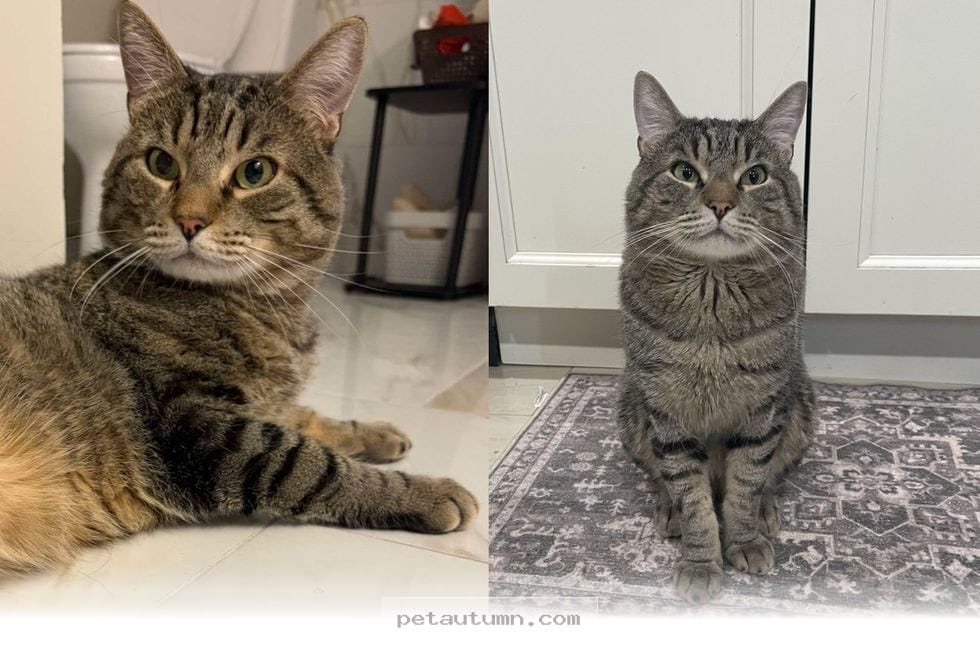
When rescuers finally opened that door, they weren’t just saving a cat; they were opening a gateway to a brand new world. It took six months of patience, love, and gentle reassurance for this resilient feline to realize that the floor beneath her paws was safe to walk on.
Key Takeaways
- Rescuing an adult cat from trauma requires immense patience and a predictable environment.
- Physical rehabilitation often goes hand-in-hand with emotional recovery for long-term cage-bound animals.
- Trust is earned in small increments, often starting with simple proximity rather than direct touch.
- Providing a "safe haven" room allows a traumatized cat to control their own social interactions.
Understanding the Trauma of Confinement
Life in a bird cage leaves deep scars on a cat’s psyche and body. Because cats are naturally curious and athletic creatures, they suffer greatly when their ability to move is restricted.
Many cats rescued from such extreme confinement display specific behaviors that reflect their past. Recognizing these early signs helps you support their transition into a loving home.
Signs of Trauma in Rescued Cats
- Extreme shyness or hiding for the majority of the day.
- Flattening the body low to the ground when moving through open spaces.
- Hesitance to jump or explore vertical heights.
- Over-grooming or neglecting grooming habits entirely due to stress.
- Startling easily at common household sounds like vacuums or televisions.
Transitioning a cat from a restricted environment to a house is a delicate process that demands your full attention.
How to Help Your Rescued Cat Thrive
Rehabilitating a cat that has spent years in a cage is a journey of small victories. You are essentially teaching them how to be a cat again.
1. Create a Secure Base Camp
Set up a small, quiet room with everything your cat needs. This gives them a sense of territory without overwhelming their senses.
2. Practice Hands-Off Bonding
Sit quietly in the room with your cat while reading or working. Let them approach you on their own terms instead of forcing interactions.
3. Use Positive Reinforcement
Offer high-value treats when they show brave behavior. This builds a strong association between your presence and positive experiences.
4. Provide Vertical Options
Once they gain confidence, add cat trees or window perches. These structures encourage natural behaviors like climbing and surveying their territory.
5. Establish a Consistent Routine
Feeding and playing at the same time every day builds confidence. Predictability is the best medicine for an anxious, rescued animal.
| Approach | Impact on Cat |
|---|---|
| Quiet Presence | Builds trust without pressure |
| Forced Cuddling | Causes withdrawal and anxiety |
| Loud Environments | Triggers fear and panic |
| Consistent Routine | Creates a sense of safety |
This careful approach ensures your cat feels in control of their healing.
The Long Road to Freedom
The tabby cat who lived in a bird cage didn’t just learn to walk; she learned to run, play, and eventually, to trust. It was a slow process that required her humans to leave their own expectations at the door.
Sometimes, the most significant progress happens during a quiet moment on the sofa. You might find your rescued cat finally chooses to sleep near you, rather than under the bed.
Essential Supplies for Your Rescue
- Feliway diffusers to create a calming pheromone environment.
- Sturdy cardboard boxes with cut-out doors for hiding.
- Soft, machine-washable blankets for comfort.
- Puzzle feeders to engage their brain and build confidence.
- Scratching posts to encourage natural stretching behaviors.
For more information on the behavioral needs of cats, you can visit the ASPCA website for helpful resources. Building a life with a rescued cat is incredibly rewarding for both parties.
The information on petautumn.com is for general informational purposes only and does not constitute veterinary advice. Pet health needs vary by breed, age, and individual condition. Always consult a licensed veterinarian before making decisions about your pet’s health, diet, or medical treatment. Pet Autumn is not affiliated with any veterinary organization, pet food manufacturer, or breeder.
Watching a cat discover the joy of a sunbeam for the first time is a magical experience. You are giving them the life they deserved all along.
Your love provides the stability they need to leave the past behind. Every step they take toward you is a testament to the power of patience and human kindness.

Cat care writer at petautumn.com. English Literature graduate (S.S) from Universitas Udayana. Covers cat breeds, behavior, nutrition, grooming, and health. Cat mom to Luna and Lina. Based in Austin, Texas.