Written by Kadek Darma
The world of pet nutrition often feels like a maze of confusing labels and bold promises. You want the best for your furry companion, but it can be difficult to sift through marketing jargon to find what is truly healthy.
Many pet parents are beginning to question the standard practices of the commercial pet food industry. Understanding what goes into your dog’s bowl is the first step toward ensuring they live a long, vibrant life.
Key Takeaways
- Commercial pet food companies often prioritize profit margins over optimal, biologically appropriate nutrition.
- "Clean" labeling is a marketing strategy that lacks an official definition in the pet food industry.
- Independent research from universities is providing more transparent data than industry-funded studies.
- Prioritizing whole, minimally processed ingredients can help your pet move from simply surviving to truly thriving.
Understanding Industry Science
The pet food industry frequently leans on self-funded studies to justify their manufacturing methods. These reports often focus on how much a dog can tolerate a low-quality diet rather than what allows them to flourish.
When you see a brand touting "science-based" nutrition, it is helpful to ask what exactly they are measuring. Often, this science is designed to confirm that animals can remain alive on highly processed, starch-heavy formulas fortified with synthetic vitamins.
How to Evaluate Pet Food Labels
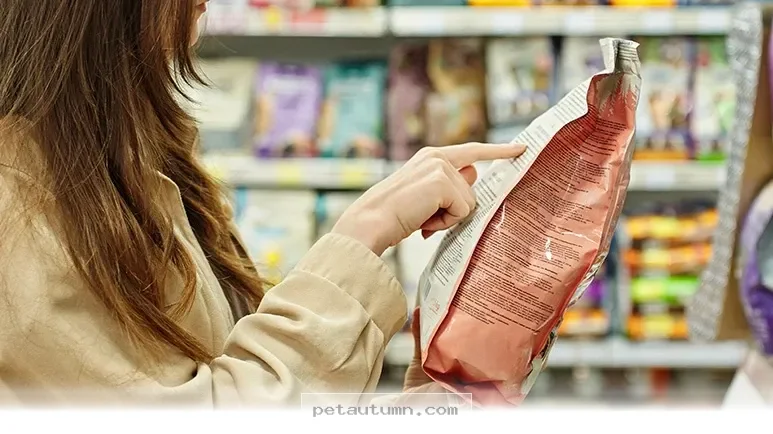
Navigating a bag of kibble requires a sharp eye and a bit of skepticism regarding the front-of-package claims. Marketing teams use buzzwords to evoke a sense of quality that the ingredient list might not support.
- Look past the "natural" or "clean" labels on the front of the bag.
- Flip the package over to examine the actual list of ingredients.
- Identify the source of the protein and ensure it is listed as a primary component.
- Check for excessive fillers, synthetic additives, or vague "by-product" descriptions.
- Prioritize brands that offer clear, transparent sourcing information for their raw materials.
| Criteria | Optimized Nutrition | Processed Kibble |
|---|---|---|
| Ingredient State | Whole, fresh, raw | Highly processed |
| Protein Quality | High-quality muscle meat | Variable, often by-products |
| Additives | Minimal to none | Synthetic vitamins/preservatives |
The Shift Toward Objective Research
Independent research is finally shedding light on the real-world impact of different diets on our pets. Universities around the globe are conducting studies that compare fresh food diets to traditional processed options.
These researchers are exploring critical areas like the gut microbiome and the presence of advanced glycation end products in dry versus raw food. As a pet owner, you can seek out these independent veterinary resources to make more informed decisions for your household.
Marketing Versus Reality
The "clean" trend is a prime example of how marketing can obscure the truth about what is in a bowl. While human food standards for "clean" focus on minimally processed, whole ingredients, the pet food industry has adopted the term without adopting the practices.
You might see a long list of forty ingredients labeled as "clean," yet the product remains heavily processed and refined. Always remember that a long list of fancy-sounding items does not necessarily equate to a biologically appropriate meal for a carnivore.
The information on petautumn.com is for general informational purposes only and does not constitute veterinary advice. Pet health needs vary by breed, age, and individual condition. Always consult a licensed veterinarian before making decisions about your pet’s health, diet, or medical treatment. Pet Autumn is not affiliated with any veterinary organization, pet food manufacturer, or breeder.
Taking control of your pet’s nutrition is one of the most loving things you can do. By staying curious and questioning labels, you empower yourself to provide the best care possible.
Your pet relies on your choices to keep them healthy. Keep reading labels, asking questions, and prioritizing high-quality, real food to support their well-being every single day.

Cat care writer at petautumn.com. English Literature graduate (S.S) from Universitas Udayana. Covers cat breeds, behavior, nutrition, grooming, and health. Cat mom to Luna and Lina. Based in Austin, Texas.