Written by Kadek Darma
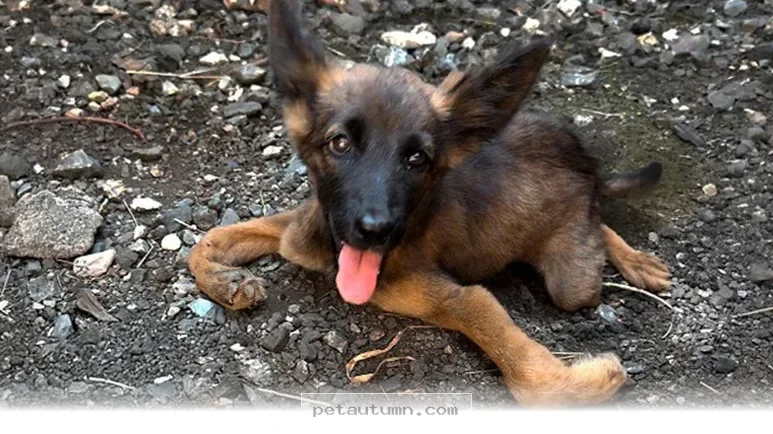
Witnessing a puppy struggle with mobility is one of the most heartbreaking experiences a pet owner can face. When you are told that your little companion might not have a future, the world feels like it is crashing down around you.
However, many resilient pups have proven that a grim prognosis is not always the final chapter. With patience, specialized care, and a little bit of equipment, these dogs often find their way back to a happy life.
Key Takeaways
- Early intervention and professional veterinary guidance are crucial for any puppy experiencing sudden mobility loss.
- Mobility aids like canine wheelchairs can significantly improve a dog’s quality of life and independence.
- Physical therapy and consistent exercise routines often yield remarkable long-term improvements in paralyzed or injured dogs.
- Patience and emotional support are just as important as medical care for your recovering pet.
Understanding Mobility Challenges in Puppies
When a puppy loses the ability to use their legs, your first instinct is naturally one of panic and confusion. It is vital to remain calm so you can advocate for your pet during their most vulnerable moments.
1. Identifying Potential Warning Signs
If you notice your puppy acting differently, you must act quickly to get them the help they need. Keep a close eye out for these specific behaviors:
- Dragging their hind legs while walking or standing.
- Frequent stumbling or an uncoordinated, wobbly gait.
- Visible muscle atrophy or weakness in the limbs.
- Reluctance to jump, play, or climb stairs.
- Painful reactions when you touch their back or legs.
2. Seeking Professional Veterinary Care
Your veterinarian is your most important partner when your dog faces a health crisis. According to the American Veterinary Medical Association, early diagnosis of neurological or physical conditions can drastically change a pet’s long-term outcome.
Never settle for a single opinion if your gut tells you there is more that can be done. You may need to consult with a veterinary neurologist to explore all options, including physical therapy or specialized surgery.
| Approach | Benefit |
|---|---|
| Physical Therapy | Increases muscle tone and improves blood flow. |
| Canine Wheelchairs | Provides independence and prevents pressure sores. |
| Hydrotherapy | Low-impact exercise that reduces strain on joints. |
| Ignoring Symptoms | Risk of permanent nerve damage and muscle loss. |
Helping Your Dog Regain Their Independence
Once you have a treatment plan, the journey toward recovery begins in your own home. It takes time, but watching your puppy regain their spark is an incredibly rewarding experience for both of you.
3. Creating a Supportive Environment
Your home should be a safe space for a dog with limited mobility to navigate comfortably. Start by placing rugs on slippery floors to provide extra traction for their paws.
You should also minimize the need for your puppy to navigate stairs or high furniture. If they are using a wheelchair, make sure your hallways are clear of clutter so they can maneuver with confidence.
4. The Power of Persistence
Recovery is rarely a straight line, and you will likely encounter good days and challenging ones. Celebrate the small victories, like a tail wag or a successful attempt to stand, because these are milestones.
Learn more about managing long-term care by visiting the PetMD library for resources on canine health. Consistency with your home exercises will build the strength your dog needs to potentially walk again.
Essential Supplies for Mobility Support
- Custom-fitted canine wheelchair.
- Supportive body harness with a handle for lifting.
- Non-slip yoga mats for traction.
- Orthopedic memory foam beds for joint comfort.
- Padded slings for controlled assistance during walks.
Embracing the Journey Together
If your vet mentions a dire prognosis, remember that many dogs thrive even if they do not achieve a full recovery. A wheelchair-bound dog can still enjoy playing, running, and living a full life with the right adjustments.
Your dog looks to you for comfort and security during these difficult times. By staying positive and focused on their daily comfort, you are giving them the best possible chance to flourish.
The information on petautumn.com is for general informational purposes only and does not constitute veterinary advice. Pet health needs vary by breed, age, and individual condition. Always consult a licensed veterinarian before making decisions about your pet’s health, diet, or medical treatment. Pet Autumn is not affiliated with any veterinary organization, pet food manufacturer, or breeder.
Always remember that you are your dog’s biggest advocate in the world. Your love and commitment are the foundation of their recovery and their happiness.
Keep showering them with affection and stick to your routine every single day. You will be amazed at what your little fighter can accomplish with your support by their side.

Cat care writer at petautumn.com. English Literature graduate (S.S) from Universitas Udayana. Covers cat breeds, behavior, nutrition, grooming, and health. Cat mom to Luna and Lina. Based in Austin, Texas.