Written by Ayu Pratiwi
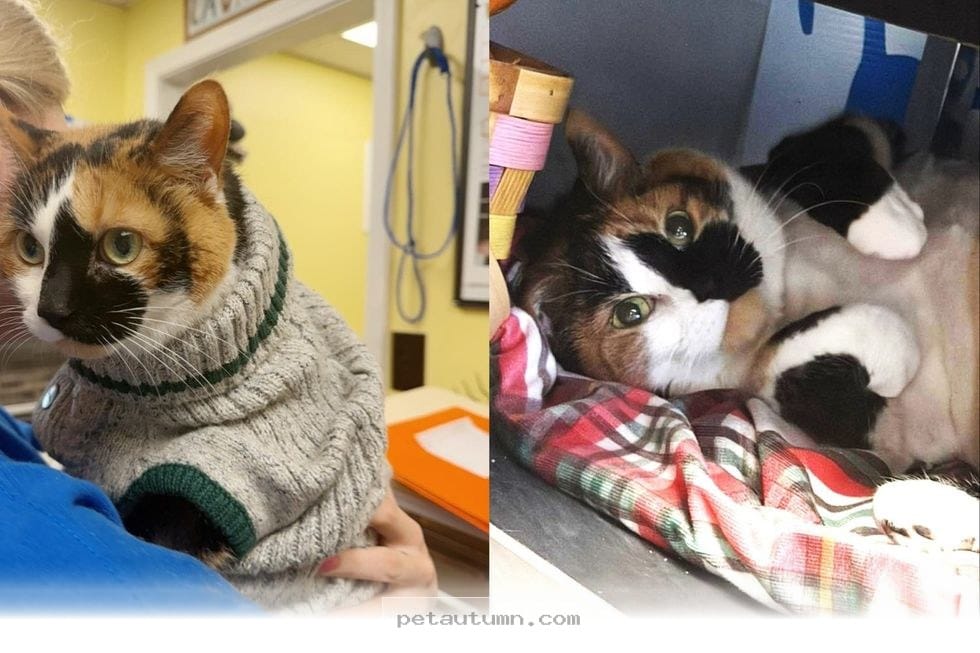
Imagine living in total darkness for six long years. That was the reality for a sweet senior calico cat left forgotten in a cold, lonely basement.
Despite the neglect she endured, this resilient feline refused to let her past dictate her future. Her story is a powerful reminder that it is never too late for a second chance at happiness.
Key Takeaways
- Senior cats often thrive in quiet, stable homes after rescue.
- Neglect leaves deep emotional scars that require patience to heal.
- Gentle grooming and consistent routines build trust with traumatized pets.
- Adoption changes lives, both for the cat and the human family.
- Every senior animal deserves a comfortable place to spend their golden years.
The Resilience of Senior Rescues
Many people overlook senior cats in shelters, preferring kittens with endless energy. However, older cats offer a unique companionship that is calm, grateful, and deeply affectionate.
When this calico cat was finally discovered, she was matted, frightened, and unsure of human touch. She had spent over two thousand days without natural light or regular socialization.
Transitioning a senior cat from a traumatic environment into a loving home requires careful planning. You must provide a sanctuary space where the cat feels safe to explore at her own pace.
Signs of Trauma in Rescued Cats
- Hiding for extended periods under furniture.
- Startling easily at sudden noises or movements.
- Refusal to engage in typical play behaviors initially.
- Vocalizing at night due to confusion or stress.
- Guarding food or resources due to past deprivation.
Taking the time to understand these behaviors helps you support your new friend. Patience is your most valuable tool during the first few weeks of adoption.
| Trait | Senior Cat | Kitten |
|---|---|---|
| Energy Level | Low/Moderate | Very High |
| Training Needs | Minimal | High |
| Settling In | Requires Patience | Adapts Quickly |
Providing a stable environment is the most important step you can take to help your cat heal.
Helping Your Senior Cat Adjust
- Create a quiet, secluded zone with a soft bed and water.
- Keep the lighting low to avoid overwhelming her sensitive eyes.
- Use pheromone diffusers to help calm her natural anxiety levels.
- Let her initiate contact rather than forcing her to be held.
- Establish a predictable schedule for feeding and daily grooming sessions.
Consistent routines provide a sense of security for animals that have lived in chaos. You will eventually see her personality begin to shine through the shyness.
Essential Supplies for New Rescues
- Soft, supportive orthopedic cat bed.
- High-quality, easy-to-digest feline nutrition.
- Grooming brushes designed for sensitive skin.
- Interactive puzzle toys to encourage gentle play.
- Vertical spaces like cat trees for confidence building.
Understanding how to care for a cat with a difficult history requires empathy and research. You can learn more about senior feline health needs through resources like the Cornell Feline Health Center.
The information on petautumn.com is for general informational purposes only and does not constitute veterinary advice. Pet health needs vary by breed, age, and individual condition. Always consult a licensed veterinarian before making decisions about your pet’s health, diet, or medical treatment. Pet Autumn is not affiliated with any veterinary organization, pet food manufacturer, or breeder.
Watching a rescued cat reclaim her dignity is one of the most rewarding experiences a pet owner can have. Her journey from that dark basement to a warm sunbeam is a testament to the strength of the feline spirit.
If you are considering adding a cat to your home, please visit your local shelter. There are so many seniors waiting for a hero like you to change their lives forever.

Cat care writer at petautumn.com. English Literature graduate (S.S) from Universitas Udayana. Covers cat breeds, behavior, nutrition, grooming, and health. Cat mom to Luna and Lina. Based in Austin, Texas.