Written by Ayu Pratiwi
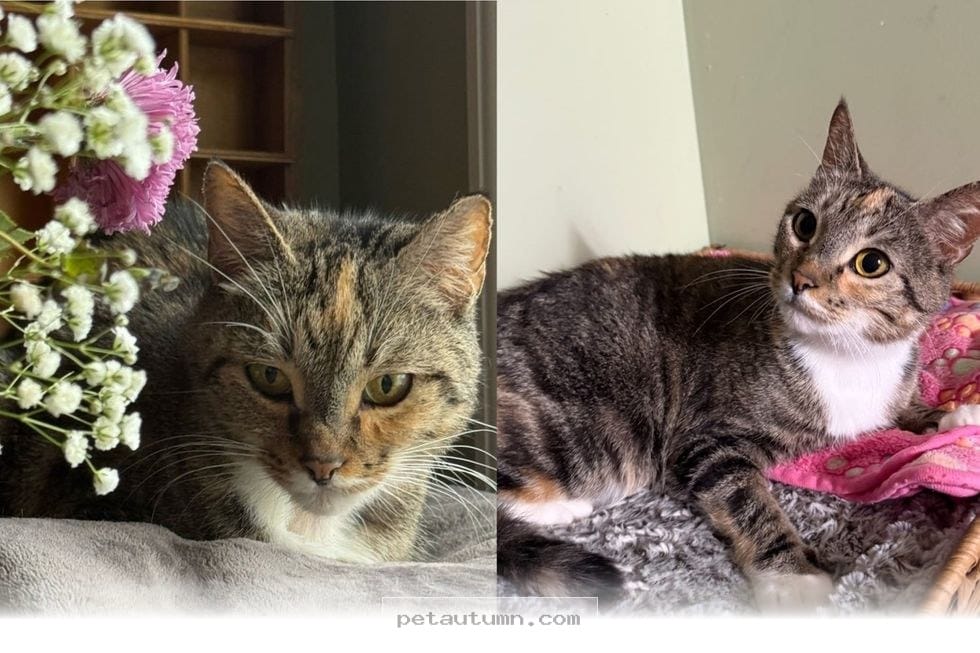
Imagine finding a tiny, shivering soul left behind in a cardboard box on a freezing morning. This is exactly what happened to one brave little tabby cat who refused to let her circumstances define her future.
Her story is a powerful reminder of the resilience found in our feline friends. She did not give up on love, and today, she is proof that every cat deserves a warm, safe home.
Key Takeaways
- Abandoned cats often display incredible resilience and an ability to bond quickly.
- Early veterinary intervention is essential for pets rescued from harsh environments.
- Providing a safe, predictable space helps a traumatized cat regain her confidence.
- Adoption is a life-changing choice for both the pet and the new owner.
The Reality of Abandoned Pets
When you encounter an animal in distress, the first few hours are absolutely critical. Many rescued cats suffer from the physical toll of exposure, hunger, and stress.
Understanding how to approach these animals helps them feel secure instead of threatened. Always move slowly and keep your voice soft to minimize their fear.
Common Signs of Distress in Rescued Cats
If you find a cat that has been left outdoors, look for these specific indicators. Being able to recognize these signs helps you communicate effectively with your local veterinarian.
- Excessive vocalization or, conversely, complete silence and withdrawal.
- Shivering or signs of lethargy due to extreme cold exposure.
- Visible matting or debris in the fur from living in a box.
- Reluctance to eat or drink due to high levels of anxiety.
- Defensive behavior like hissing, which is usually a mask for pure terror.
Understanding these behaviors allows you to provide the right kind of support. You can learn more about assessing feline health through resources from the ASPCA.
Setting Up a Sanctuary for Your New Friend
Bringing a rescue cat home requires patience and a gentle, organized approach. You need to create a "safe zone" where the cat can decompress without feeling pressured to interact.
A quiet bathroom or a spare bedroom works perfectly for this initial stage. Keep the space warm and quiet to help lower the cat’s stress levels.
1. Essential Supplies for Your Rescue Cat
Before you bring your new companion home, make sure you have these items ready. Having everything prepared reduces the need for constant movement, which keeps the environment calm.
- A comfortable, enclosed bed that provides a sense of security.
- High-quality, easy-to-digest canned food to entice a picky eater.
- Fresh water in a wide, shallow bowl that won’t irritate whiskers.
- A clean litter box placed in a quiet corner away from noise.
- Soft blankets for nesting and warmth.
2. Monitoring Health and Recovery
Once your cat is settled, monitor her closely for any changes in behavior. You want to track her progress to ensure she is adjusting to her new life.
| Observation Area | What to Watch For | Status |
|---|---|---|
| Appetite | Is she eating regularly each day? | Good |
| Energy | Is she showing interest in toys? | Good |
| Hydration | Is she drinking enough water? | Monitor |
| Socializing | Does she seek out your presence? | Caution |
| Health | Are there signs of sneezing or coughing? | Warning |
If you notice anything unusual, consult your veterinarian immediately. Refer to the Cornell Feline Health Center for general guidance on keeping your cat healthy.
The Long Road to Trust
Building a bond with a cat who has known abandonment takes time. You might find that she hides for several days, and that is perfectly okay.
Let her decide when she is ready to explore her new surroundings. Your presence should be consistent but non-intrusive during these early weeks.
Tips for Successful Bonding
- Sit on the floor near her safe space and read aloud.
- Avoid direct eye contact, as this can be perceived as a challenge.
- Use positive reinforcement with treats when she approaches you on her own.
- Maintain a predictable routine for feeding and playtimes.
- Allow her to investigate your scent on her own terms.
Transitioning a rescue cat into a loving home is one of the most rewarding experiences you will ever have.
The information on petautumn.com is for general informational purposes only and does not constitute veterinary advice. Pet health needs vary by breed, age, and individual condition. Always consult a licensed veterinarian before making decisions about your pet’s health, diet, or medical treatment. Pet Autumn is not affiliated with any veterinary organization, pet food manufacturer, or breeder.
The journey of the brave tabby cat serves as a beacon of hope for many other animals currently waiting for their forever homes. By providing patience and a soft place to land, you are saving a life in the truest sense.
If you are considering adding a cat to your family, please check your local shelters first. There are so many resilient cats just like the one in this story who are waiting for someone to notice them.

Cat care writer at petautumn.com. English Literature graduate (S.S) from Universitas Udayana. Covers cat breeds, behavior, nutrition, grooming, and health. Cat mom to Luna and Lina. Based in Austin, Texas.