Written by Kadek Darma
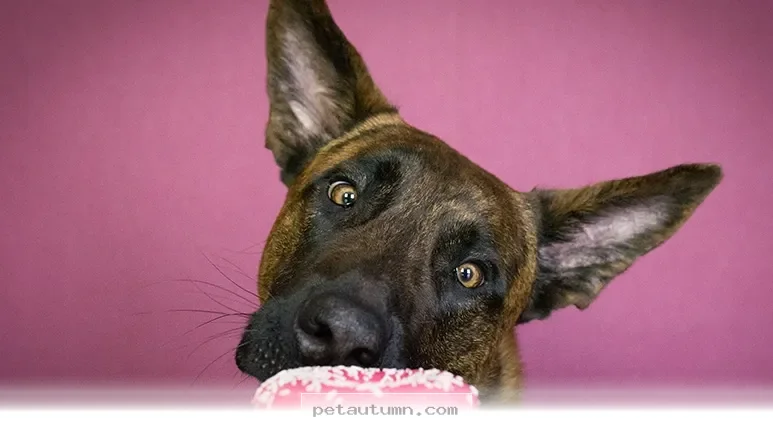
If you have ever been enjoying a sweet snack and noticed your dog staring at you with longing eyes, you are certainly not alone. Dogs are experts at the "can I have some" look, and sugary treats often grab their attention more than anything else.
It might seem like a tiny nibble of your dessert is harmless since sugar is not technically poisonous to dogs. However, that small bite may carry hidden risks that many loving pet owners do not fully realize.
Key Takeaways
- Dogs are naturally attracted to sweet flavors, but they have no nutritional need for added sugar in their diets.
- While natural sugar in fruits is acceptable in moderation, processed sugars offer zero health benefits and can cause digestive distress.
- Xylitol is a deadly sugar substitute found in many human foods that requires immediate emergency veterinary care if ingested.
- Always check ingredient labels on peanut butter and snacks to ensure they are free from toxic sweeteners.
- Healthy treats like fresh carrots or apple slices are far better options than processed sugary foods.
The Science of Your Dog’s Taste Buds
Dogs possess fewer taste buds than humans, but they are still capable of detecting sweetness. While humans have around 9,000 taste buds, our canine companions have roughly 1,700 to 2,000.
These receptors allow them to identify various flavors, including salty, bitter, sour, and savory. Because they are wired to seek out energy-dense foods, they often gravitate toward sugary items, which explains why your pup might beg for your fruit salad.
Sugar Sources: Safe Versus Dangerous
Not all sugar is created equal when it comes to your dog’s health. You should learn to distinguish between healthy, natural snacks and processed items that provide nothing but empty calories.
1. Natural Sugar Sources
Small amounts of naturally occurring sugar found in dog-safe fruits can be a refreshing treat. You can safely offer these in moderation as a reward during training sessions.
- Apples (remove the seeds and core first)
- Blueberries
- Strawberries
- Carrots (low sugar, high crunch)
2. Processed Sugar Hazards
Human snacks often contain high levels of refined sugars that can disrupt your dog’s blood glucose levels. Frequent consumption of these items can lead to obesity, dental issues, and long-term metabolic strain.
| Sugar Type | Risk Level | Recommendation |
|---|---|---|
| Raw Fruit | Low | Safe in moderation |
| Cane Sugar | Moderate | Avoid whenever possible |
| Corn Syrup | Moderate | Avoid entirely |
| Xylitol | Severe | Emergency – Avoid strictly |
Why You Must Avoid Xylitol
The most significant danger to your pet is not actually sugar, but the sugar substitutes found in "diet" or "sugar-free" products. Xylitol, sometimes labeled as birch sugar, is extremely toxic to dogs and can cause life-threatening reactions even in small doses.
Warning Signs of Xylitol Ingestion
- Sudden lethargy or extreme weakness
- Loss of coordination or stumbling
- Vomiting or retching
- Seizures or tremors
- Disorientation
If you suspect your dog has consumed any product containing xylitol, you must act fast. Contact your veterinarian or an emergency animal clinic immediately, as early intervention is vital for a positive outcome.
Managing Your Dog’s Treat Intake
Maintaining a healthy weight is one of the best ways to extend your dog’s life. If you want to spoil your furry friend, focus on high-quality treats that support their health rather than sugary snacks that provide empty calories.
Healthy Treat Tips
- Use the 10% rule: Treats should never make up more than 10% of your dog’s daily calories.
- Read every label: Always check the back of peanut butter jars to ensure they are xylitol-free.
- Choose crunchy options: Raw vegetables help clean teeth while satisfying the need for a snack.
- Consult your vet: If your dog has specific health conditions, ask your veterinarian about safe treat alternatives.
The information on petautumn.com is for general informational purposes only and does not constitute veterinary advice. Pet health needs vary by breed, age, and individual condition. Always consult a licensed veterinarian before making decisions about your pet’s health, diet, or medical treatment. Pet Autumn is not affiliated with any veterinary organization, pet food manufacturer, or breeder.
Choosing to skip the sugary table scraps is one of the easiest ways to protect your dog from unnecessary health complications. By sticking to natural, whole-food rewards, you ensure that your pup stays happy, healthy, and full of energy for years to come.
Your dog may give you those sad eyes when you eat dessert, but remember that a healthy, long-living companion is the best reward of all. Keep your pantry stocked with dog-friendly snacks and enjoy those bonding moments without the extra sugar.

Cat care writer at petautumn.com. English Literature graduate (S.S) from Universitas Udayana. Covers cat breeds, behavior, nutrition, grooming, and health. Cat mom to Luna and Lina. Based in Austin, Texas.