Written by Kadek Darma
It starts subtly, perhaps as a slight redness in the eye or some uncharacteristic squinting. Your pet seems a bit off, perhaps sleeping more than usual or pulling away when you touch the side of their head.
Most pet parents assume it is a passing irritation. The hard truth is that some of those signs can mean something much more serious, a painful and vision-threatening eye disease called glaucoma.
Key Takeaways
- Glaucoma is one of the most painful conditions a pet can face, often described as comparable to a severe migraine.
- The condition is caused by a failure in the eye’s drainage system, leading to dangerous pressure buildup.
- Time is the most critical factor, as irreversible blindness can occur within hours if left untreated.
- Primary glaucoma is genetic and breed-specific, while secondary glaucoma is often triggered by underlying inflammation or injury.
- Immediate veterinary attention is required if you notice redness, cloudiness, dilated pupils, or sudden changes in your pet’s behavior.
What Glaucoma Actually Is
Your pet’s eye is filled with a clear fluid called aqueous humor. It is constantly produced inside the eye and drained out through a tiny structure known as the iridocorneal angle.
As long as production and drainage stay balanced, the pressure inside the eye stays normal. Glaucoma happens when that drainage system fails, causing fluid to back up and internal pressure to rise.
Why It Is a True Emergency
Glaucoma is one of the most painful eye diseases pets can develop. One veterinary ophthalmologist describes the pain as similar to a migraine headache, a level of discomfort most pet parents struggle to imagine.
Pets in this kind of pain may rub or paw at their face, become lethargic, stop eating, or hide from their owners. If left untreated, glaucoma can cause permanent blindness in just hours to days because the optic nerve sustains irreparable damage.
The 2 Forms of Glaucoma
Not all glaucoma is the same, and understanding the type your pet has shapes the treatment plan. Glaucoma generally falls into two distinct categories:
- Primary Glaucoma: This is inherited or congenital, occurring in an otherwise healthy eye due to anatomical abnormalities. It is frequently seen in specific predisposed breeds.
- Secondary Glaucoma: This develops because of another problem inside the eye or a systemic health issue. It is often triggered by inflammation, tumors, or physical trauma.
Comparison of Glaucoma Types
| Feature | Primary Glaucoma | Secondary Glaucoma |
|---|---|---|
| Origin | Genetic/Inherited | Acquired/Systemic |
| Commonality | Breed-specific | More frequent in cats |
| Warning | Watch predisposed breeds | Monitor for eye inflammation |
| Risk Level | Emergency | Emergency |
Breeds and Animals at Higher Risk
Genetics plays a major role in who develops primary glaucoma. If you share your home with a breed known for this condition, knowing the predisposition gives you a head start on monitoring for early changes.
Many dog breeds are predisposed to primary glaucoma, including:
- Cocker Spaniels (American and English)
- Basset Hounds
- Beagles
- Boston Terriers
- Chow Chows
- Great Danes
- Shar Peis
- Shih Tzus
- Siberian Huskies
In cats, glaucoma is rarer overall but frequently affects middle-aged or senior cats due to secondary causes. Siamese, Burmese, and Persians are among the few breeds more commonly associated with primary cases.
Signs to Watch For
In acute glaucoma, the signs come on suddenly. In chronic cases, they build up more slowly and may have been present for some time before you notice anything is wrong.
Symptoms to Monitor
- Persistent eye pain (squinting or partially closing the eye)
- Excessive pawing or rubbing at the face
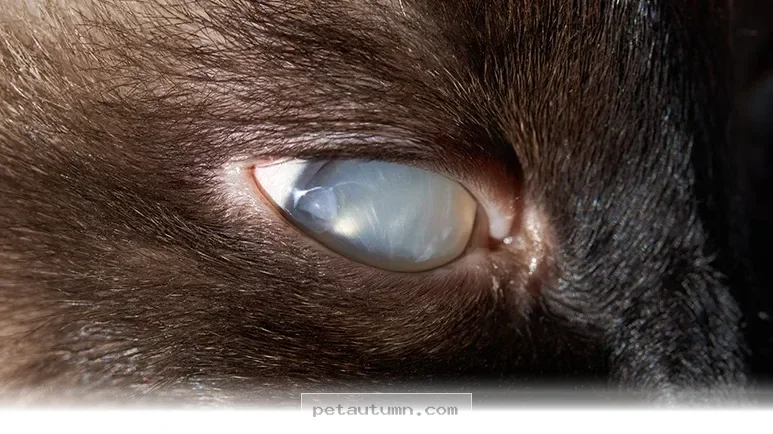
- Cloudiness or a bluish haze on the surface of the eye
- A pupil that remains dilated and does not react to light
- Increased lethargy or a sudden loss of appetite
- Bumping into walls or furniture
Taking Action Quickly
If you notice any of these symptoms, you must act fast to protect your pet’s vision. Contact your veterinarian or a local emergency animal hospital immediately for an assessment.
3 Steps for Pet Parents
- Perform a daily observation: Gently check your pet’s eyes for redness or cloudiness during grooming sessions.
- Monitor behavior changes: If your dog or cat is acting lethargic or sensitive to touch, perform a visual check of their eyes.
- Seek urgent care: If you notice signs of pain or vision loss, skip the wait-and-see approach and head to a veterinary specialist.
The information on petautumn.com is for general informational purposes only and does not constitute veterinary advice. Pet health needs vary by breed, age, and individual condition. Always consult a licensed veterinarian before making decisions about your pet’s health, diet, or medical treatment. Pet Autumn is not affiliated with any veterinary organization, pet food manufacturer, or breeder.
While glaucoma is a frightening diagnosis, early intervention can make a significant difference in your pet’s comfort and quality of life. By staying vigilant and knowing the signs, you act as the best advocate for your companion’s health.
Keep an eye on your pet’s eyes during your daily routines. Your quick response is the best tool you have to protect their sight and keep them happy for years to come.

Cat care writer at petautumn.com. English Literature graduate (S.S) from Universitas Udayana. Covers cat breeds, behavior, nutrition, grooming, and health. Cat mom to Luna and Lina. Based in Austin, Texas.