Last Updated: April 6, 2026
You’re finishing dinner, your dog is giving you that look, and you think — what’s the harm in sharing a bite? Turns out, a lot.
Some of the most common foods in your kitchen can make your dog seriously sick. We’re talking vomiting, organ failure, and in worst cases, death. And no, it’s not just chocolate (though that one’s definitely on the list). Here at petautumn.com, we’ve put together a full breakdown of 30 foods your dog should never get near — plus what to do if they do.
The first time Meepo swiped a grape off the counter, I nearly lost it. One frantic call to the vet later, everything was fine — but it could’ve gone sideways fast. That moment changed how I think about every piece of food I leave within nose-reach.
Key Takeaways
- Grapes, chocolate, onions, xylitol, and macadamia nuts are among the most dangerous foods for dogs — even small amounts can be toxic.
- Caffeine shows up in more than just coffee — tea, soda, energy drinks, and some flavored waters contain it too.
- If your dog eats something toxic, call your vet or the ASPCA Animal Poison Control Center at (888) 426-4435 immediately.
- Some human foods are safe for dogs in moderation — but always check before sharing.
- Symptoms of poisoning can show up hours or even days later, so don’t wait for signs before acting.
Why Some Human Foods Are Dangerous for Dogs
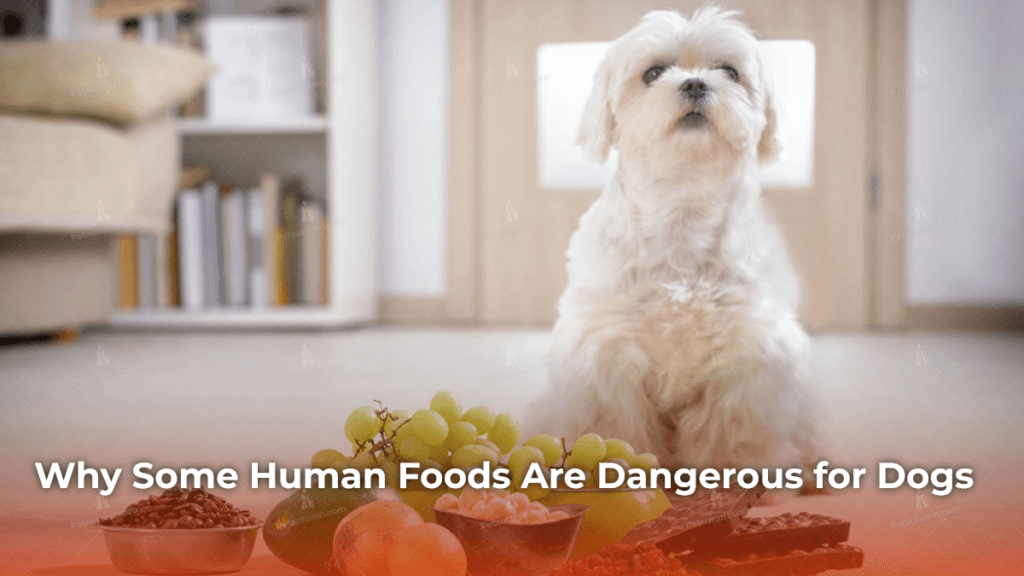
Dogs process food differently than humans. Their livers, kidneys, and digestive systems aren’t equipped to break down certain compounds — like theobromine in chocolate or thiosulfate in onions.
What’s a harmless snack for you can trigger anything from mild stomach upset to organ failure in your dog. Size matters too. A few ounces of dark chocolate might not faze a 90-lb Lab, but it could send a 10-lb Chihuahua to the emergency vet.
That’s why knowing what’s off-limits isn’t optional — it’s part of responsible dog ownership. And this list covers the big ones.
Fruits Dogs Should Never Eat
Not all fruits are created equal. Some are perfectly safe (hello, blueberries), but others contain compounds that are genuinely dangerous for dogs. Here are five to keep far away from your pup.
Grapes and Raisins
This one’s a big deal. Grapes and raisins can cause sudden kidney failure in dogs — and it doesn’t take many. Even a small handful has hospitalized dogs. According to the American Kennel Club (AKC), the exact toxic substance hasn’t been identified, which makes it even scarier.
Grape juice, trail mix with raisins, even a few grapes dropped on the floor — all risky. Keep them completely out of reach.
Cherries
The fleshy part of a cherry isn’t the problem. The stems, leaves, and pits are — they contain cyanide. One cherry pit probably won’t kill your dog, but it’s still a choking hazard and not worth the risk.
Honestly? Just skip cherries entirely. There are way better fruit options for dogs.
Avocados
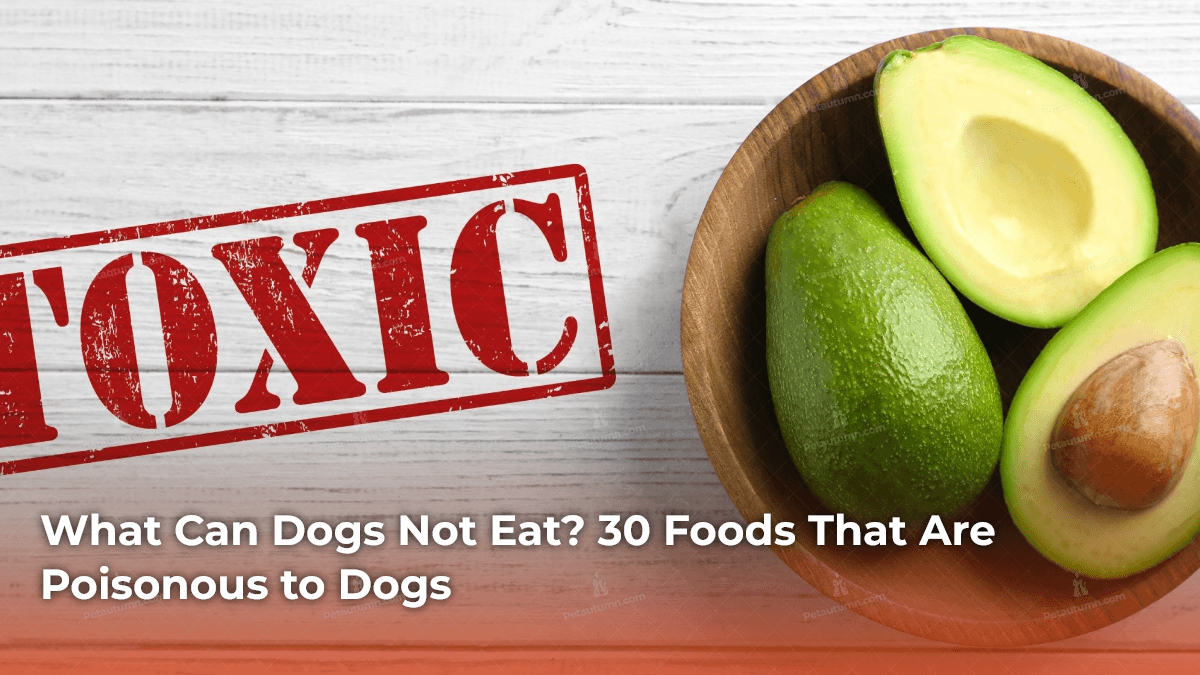
Avocados contain persin, a compound that can cause vomiting and diarrhea in dogs. The pit is a whole other issue — it’s a choking hazard and can block the intestines.
On top of that, avocados are high in fat. Too much fat in a dog’s diet can lead to pancreatitis. So even if the persin doesn’t get them, the fat content might.
Star Fruit
Star fruit contains soluble calcium oxalate, which is toxic to dogs. Symptoms include vomiting, diarrhea, weakness, and bloody urine.
It’s not a fruit most people keep around the house, but if you do — make sure your dog can’t get to it.
Apricots
Same story as cherries. The stems, leaves, and seeds of apricots contain cyanide. The fruit itself is less of a concern, but the risk isn’t worth it.
If your dog manages to chew into an apricot pit, call your vet.
Vegetables and Plants That Are Toxic to Dogs
Moving from the fruit bowl to the veggie drawer — and the backyard. Some common vegetables and plants are surprisingly dangerous.
Onions, Garlic, and Chives
All alliums — onions, garlic, chives, leeks — are toxic to dogs. They damage red blood cells, which can lead to anemia. Garlic is actually the worst of the bunch. The ASPCA considers it the most toxic member of the allium family.
Here’s what most people miss: onion powder and garlic powder are in everything. Soups, sauces, seasoned meats, baby food. Always check the ingredients before sharing table scraps.
Tomatoes
Ripe tomatoes are generally safe in small amounts. But the green parts — stems, leaves, and unripe fruit — contain solanine, which is toxic to dogs.
If you grow tomatoes in your garden, fence them off. Dogs aren’t exactly known for reading “do not eat” signs.
Mushrooms
Most store-bought mushrooms are fine. Wild mushrooms? Absolutely not.
Only a small percentage of wild mushroom species are toxic, but the ones that are can kill your dog with a single bite. Even experienced foragers struggle to identify safe species. If your dog eats a wild mushroom on a walk, treat it as an emergency.
Rhubarb
Rhubarb contains soluble oxalate crystals, which can cause kidney failure in dogs if eaten in large enough amounts. The leaves are the most dangerous part.
It’s a common garden plant, so keep it fenced or out of your dog’s area.
Wild Berries
Not all wild berries are poisonous — but enough of them are that it’s not worth gambling on. If you don’t know exactly what species a berry is, don’t let your dog eat it.
This comes up a lot on hikes and walks. Keep your dog on a leash and watch what they’re sniffing — dogs explore with their mouths.
Drinks Your Dog Should Never Touch
It’s not just food. Several common beverages are dangerous for dogs, and most of them are sitting on your kitchen counter right now.
Coffee and Tea
Dogs are far more sensitive to caffeine than humans. Even a small amount of coffee — including used coffee grounds — can be toxic. Tea bags are another risk, especially ones tossed in a trash can your dog can access.
Symptoms of caffeine poisoning include rapid heart rate, restlessness, tremors, and seizures. Don’t leave your morning coffee where a curious nose can reach it.
Alcohol
This should go without saying, but dogs should never consume alcohol. Even small amounts can cause vomiting, diarrhea, difficulty breathing, and central nervous system depression.
Some dogs are actually attracted to the smell of beer and cocktails — so don’t leave drinks unattended. (Ask us how we know.)
Soda and Energy Drinks
Both can contain caffeine. Some sugar-free versions also contain xylitol, which is extremely toxic to dogs. Energy drinks are especially concentrated — even a few sips can cause problems.
Flavored Waters
Flavored waters are sneaky. They seem harmless, but many brands add xylitol as a sweetener. Always check the label.
Sports Drinks
Same issue. Caffeine plus xylitol in some formulas. If you’re working out and leaving a sports drink bottle within reach, make sure the cap’s on tight.
Sweets and Snacks That Can Kill Your Dog
If there’s one category where the risks pile up, it’s this one. Sweets hit dogs with a triple threat: chocolate, caffeine, and xylitol.
Chocolate
Chocolate contains theobromine and caffeine — both toxic to dogs. The darker the chocolate, the more dangerous it is. A square of dark chocolate is far more harmful than the same amount of milk chocolate.
| Chocolate Type | Theobromine Level | Risk Level |
|---|---|---|
| Baking chocolate | Highest | Extremely dangerous |
| Dark chocolate | High | Very dangerous |
| Milk chocolate | Moderate | Dangerous in larger amounts |
| White chocolate | Very low | Low risk (still high in fat) |
Source: AKC, figures as of April 2026
Sugar-Free Candy and Gum (Xylitol)
Xylitol — also labeled as birch sugar — is an artificial sweetener found in sugar-free gum, mints, candy, and some baked goods. It’s one of the most dangerous substances a dog can ingest.
Even tiny amounts can cause a rapid drop in blood sugar, seizures, liver failure, and death. If a product says “sugar-free,” check the ingredients for xylitol before it goes anywhere near your dog.
Ice Cream
Most dogs are lactose intolerant, so ice cream can cause gas, diarrhea, and stomach pain. And if the ice cream is chocolate-flavored or sugar-free? Now you’re stacking toxic risks.
Pro tip: Frozen banana slices or plain frozen yogurt (in small amounts) are safer treats if your dog loves something cold.
Pudding Snacks
Pudding snacks can contain chocolate, xylitol, or both. Not worth the gamble.
Baked Goods
Cookies, cakes, brownies — they can contain chocolate, xylitol, caffeine, raisins, macadamia nuts, or all of the above. Homemade or store-bought, keep them off the counter edge where your dog can reach.
Nuts, Dairy, and Other Risky Foods
A few more common kitchen items that don’t belong in your dog’s bowl.
Macadamia Nuts
It only takes a few macadamia nuts to poison a medium-sized dog. Symptoms include weakness, vomiting, tremors, and hyperthermia. Scientists still don’t know exactly which compound causes the reaction — but the effects are well-documented.
Meepo once nosed open a bag of trail mix that had macadamias in it. He didn’t actually eat any (thank God), but it reminded me how fast these things can happen. Now trail mix goes in the pantry, door closed.
Some Peanut Butters
Peanut butter itself is usually safe for dogs — it’s a go-to for stuffing Kongs and hiding pills. But some brands now use xylitol as a sweetener.
Always read the label. If xylitol is listed, don’t buy it. Period.
Milk
Dogs lack enough lactase — the enzyme that breaks down lactose — to properly digest cow’s milk. A small splash probably won’t cause a crisis, but regular milk consumption can lead to stomach upset and diarrhea.
Salt
Too much salt can cause excessive thirst, vomiting, diarrhea, and even sodium ion poisoning. That means salty chips, pretzels, and heavily seasoned meats are all off the table.
Kitchen Hazards Most Owners Forget
These aren’t “foods” in the traditional sense, but they’re things dogs commonly get into — and they can be just as dangerous.
Raw or Undercooked Meat
Raw meat and eggs can carry Salmonella, E. coli, and Listeria. While some dog owners swear by raw-feeding diets, the AVMA has actually discouraged feeding uncooked animal proteins to pets due to the risk of bacterial contamination.
If you’re considering a raw diet, talk to your vet first.
Uncooked Yeast Dough
Raw yeast dough keeps rising inside a dog’s stomach. That expansion can cause painful bloating — and in severe cases, gastric dilatation-volvulus (GDV), a life-threatening emergency where the stomach twists.
On top of that, fermenting yeast produces ethanol. So your dog could also end up with alcohol poisoning. Double trouble.
Bones
This is one where opinions are strong. Some owners swear by raw bones. Many vets disagree.
Cooked bones splinter easily and can cause broken teeth, choking, intestinal blockages, and internal punctures. Even raw bones carry risks — bacterial contamination and tooth fractures are still on the table. My honest take? There are plenty of safer chew alternatives out there. Ask your vet for a recommendation.
Moldy Food
If your dog is a trash diver (— and let’s be real, most dogs are), moldy food is a serious risk. Mold produces mycotoxins, including aflatoxin, which can cause tremors, seizures, liver failure, and death.
Keep trash cans secured with tight-fitting lids. Compost bins too.
Corn on the Cob
Corn itself is fine. The cob is the problem. Dogs can’t digest it, and it can cause a dangerous intestinal blockage — sometimes requiring surgery to remove.
If you’re serving corn at a barbecue, toss the cobs somewhere your dog absolutely cannot reach.
Safe Human Foods Your Dog Can Actually Eat
Not everything on your plate is off-limits. Here are some human foods that are generally safe for dogs in moderation:
- Carrots (great for teeth)
- Blueberries
- Cooked pumpkin (plain, not pie filling)
- Apples (no seeds or core)
- Bananas
- Cucumbers
- Watermelon (seedless, no rind)
- Cooked plain chicken
- Plain rice
- Strawberries
- Xylitol-free peanut butter
Worth noting — snacks (including dog treats) should make up no more than 10% of your dog’s daily calories. Human food is typically higher in fat and sugar than what your dog needs. A small taste is fine. A full plate is not.
Every dog is different. What works for one may not work for another. A vet can help determine the best diet for your pet.
Signs of Food Poisoning in Dogs
Symptoms depend on what your dog ate, but here are the most common warning signs:
- Vomiting
- Diarrhea
- Loss of appetite
- Excessive drooling
- Lethargy or weakness
- Tremors or seizures
- Unsteady walking or lack of coordination
- Bloody stool
Some symptoms show up within minutes. Others take hours — or even days. If your dog ate something from the list above and seems fine, don’t assume you’re in the clear. Call your vet anyway.
What to Do If Your Dog Eats Something Toxic
Don’t panic. But act fast.
- Remove the food — take whatever’s left away from your dog immediately.
- Don’t induce vomiting unless your vet specifically tells you to. Some substances cause more damage coming back up.
- Call your vet or an emergency clinic. If it’s after hours, call one of these hotlines:
- Pet Poison Helpline: 1-855-764-7661
- ASPCA Animal Poison Control: (888) 426-4435
- Note what they ate — the type of food, approximate amount, and when it happened. This helps the vet assess the situation faster.
- Follow your vet’s instructions exactly. Don’t Google home remedies — some of them can make things worse.
Early intervention is everything. The faster you act, the better your dog’s chances.
“The information on petautumn.com is for general informational purposes only and does not constitute veterinary advice. Pet health needs vary by breed, age, and individual condition. Always consult a licensed veterinarian before making decisions about your pet’s health, diet, or medical treatment. Pet Autumn is not affiliated with any veterinary organization, pet food manufacturer, or breeder.”
Keep Your Kitchen Dog-Safe
You don’t need to memorize all 30 items. But keeping the big ones in mind — grapes, chocolate, onions, xylitol, macadamia nuts — goes a long way.
Bookmark this page, stick a quick-reference list on your fridge, or just remember this: if you’re not 100% sure a food is safe for your dog, don’t share it. Reach for the dog treats instead.
Your dog trusts you with everything — including what goes in their bowl. Keep it safe, keep it simple, and when in doubt, call your vet.
Sources:
- American Kennel Club (AKC)
- ASPCA Animal Poison Control
- American Veterinary Medical Association (AVMA)
Frequently Asked Questions

Kadek Darma, S.Ds is a dog care writer at petautumn.com specializing in dog breeds, behavior, training, and product reviews for dog owners across the United States. A graduate of Visual Communication Design from Universitas Udayana in Bali, Kadek relocated to Austin, Texas in 2019 with his partner Ayu Pratiwi. Shortly after arriving, he adopted Meepo — a mixed breed shelter dog who was days away from being euthanized. That experience sparked a deep passion for canine welfare and responsible pet ownership. Kadek brings a practical, hands-on perspective to every article, drawing from real-world experience raising Meepo in an apartment setting, navigating the US veterinary system, and testing countless dog products firsthand. His coverage spans breed guides, obedience training, nutrition, gear reviews, and outdoor activities with dogs — always grounded in reputable sources including the American Kennel Club (AKC), ASPCA, and the American Veterinary Medical Association (AVMA).