Written by Kadek Darma
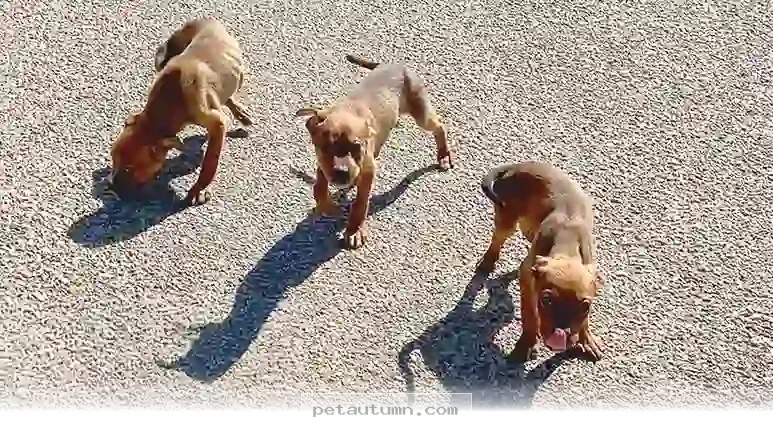
Finding an abandoned puppy on the side of the road is a heart-wrenching experience that calls for immediate action. Whether you encounter a single pup or a small litter, your quick thinking and kindness can change the entire trajectory of their lives.
When you decide to step in and help, you are not just offering a temporary shelter. You are giving a vulnerable animal the fighting chance they need to eventually find a loving forever home.
Key Takeaways
- Always approach a stray animal with caution to keep both yourself and the puppy safe.
- Immediate veterinary assessment is vital to check for hidden injuries, parasites, or dehydration.
- Proper nutrition and warmth are the foundational pillars for a rescued puppy’s recovery.
- Reach out to local rescues or shelters for support if you are unable to provide long-term care.
- Patience and a calm environment are essential as these puppies learn to trust humans again.
Steps to Take When You Find a Stray Puppy
- Assess the Situation Carefully: Observe the area for any signs of a mother dog or other siblings before approaching. Keep your distance at first to ensure the puppy does not bolt into traffic or become overly frightened.
- Secure the Animal Safely: Use a gentle, calm voice while moving slowly toward the puppy. If you have a leash, blanket, or carrier in your car, use these to secure the pup comfortably and prevent them from running away.
- Prioritize Veterinary Care: Take the puppy to a veterinarian as soon as possible to screen for common issues like parvo or severe malnutrition. According to the American Veterinary Medical Association, early professional evaluation helps prevent the spread of contagious diseases to other pets.
- Provide Essential Supplies: Create a quiet, warm space away from household chaos. You will need a few basic items to make them feel secure during the initial transition period.
Necessary Supplies for Rescued Pups
- High-quality, age-appropriate puppy formula or wet food.
- Soft, washable blankets for warmth and comfort.
- A shallow, non-tip water bowl.
- A clean crate or a small, enclosed playpen.
- Pet-safe grooming supplies for gentle cleaning.
Managing the Early Days of Rescue
Transitioning from the streets to a home environment is a major adjustment for any puppy. You might notice behaviors that reflect their past experiences, such as shyness, resource guarding, or separation anxiety.
| Observation | Potential Meaning |
|---|---|
| Eating rapidly | Often a sign of past food insecurity. |
| Cowering or hiding | Fear of new environments or loud noises. |
| Leaking or accidents | High stress or underlying health issues. |
Consistency is the secret ingredient to building a bond with a rescued puppy. By keeping a predictable schedule, you help the puppy understand that they are now in a safe and supportive environment.
Promoting Long-Term Health and Trust
Healing isn’t just about physical recovery; it is also about mental wellness. Spend quiet time sitting near the puppy, letting them come to you on their own terms rather than forcing interaction.
The ASPCA emphasizes that positive reinforcement helps build confidence in shy or traumatized animals. Use soft praise and small, healthy treats whenever the puppy displays curious or relaxed behavior.
Helping Your New Rescue Thrive
- Establish a Routine: Regular mealtimes and bathroom breaks provide a sense of security for young dogs.
- Socialize Gently: Introduce them to new people or sounds very slowly once they are cleared by a vet.
- Monitor Behavior: Keep a log of any concerning habits and share these notes with your veterinarian during follow-up visits.
- Focus on Nutrition: Feeding a balanced diet is crucial for their physical development during these formative weeks.
For additional guidance on puppy health and development, you can review resources provided by Cornell University College of Veterinary Medicine.
The information on petautumn.com is for general informational purposes only and does not constitute veterinary advice. Pet health needs vary by breed, age, and individual condition. Always consult a licensed veterinarian before making decisions about your pet’s health, diet, or medical treatment. Pet Autumn is not affiliated with any veterinary organization, pet food manufacturer, or breeder.
Rescuing an abandoned puppy is a deeply rewarding journey that asks for both patience and compassion. While the road to recovery may involve some sleepless nights or unexpected challenges, the sight of a once-scared puppy finally wagging their tail is worth every bit of effort.
By choosing to care for these animals, you are playing a vital role in their survival and happiness. Your kindness ensures they get the second chance they truly deserve, setting them up for a lifetime of love and companionship.

Cat care writer at petautumn.com. English Literature graduate (S.S) from Universitas Udayana. Covers cat breeds, behavior, nutrition, grooming, and health. Cat mom to Luna and Lina. Based in Austin, Texas.