Written by Kadek Darma
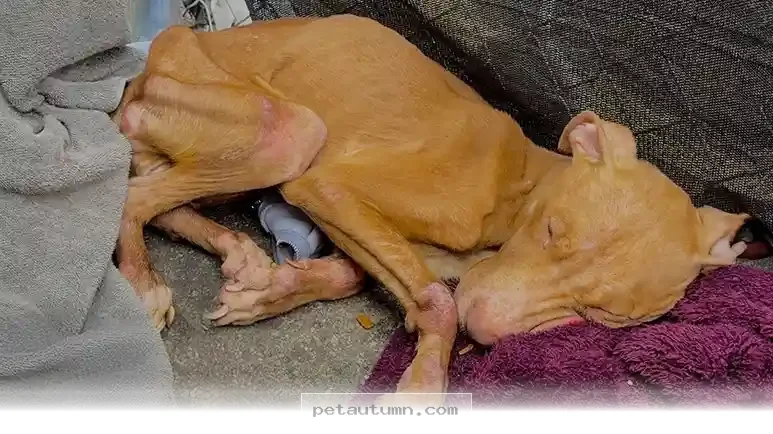
Sometimes, the world feels a little heavy, but then a story comes along that restores your faith in humanity. That is exactly what happened when a kind stranger stumbled upon a dog named Daisy, who had been left behind to face the elements alone.
She was found abandoned, severely malnourished, and barely hanging on by the side of a lonely road. Most people might have kept driving, but this stranger refused to walk away, choosing instead to become the hero Daisy desperately needed.
Key Takeaways
- Never underestimate the power of a single act of kindness for a suffering animal.
- Severe neglect requires professional veterinary intervention to ensure a safe recovery.
- Proper nutrition and patience are the cornerstones of rehabilitating a malnourished dog.
- Foster homes play a critical role in helping traumatized animals learn to trust again.
- Always report suspected animal cruelty to your local authorities or humane society.
The Reality of Rescue and Recovery
When you encounter a stray or abandoned pet in dire health, your first instinct is to help immediately. However, it is vital to approach the situation with both caution and a clear plan to ensure the animal receives the correct care.
1. Assessing the Situation
Before you approach an abandoned animal, take a moment to evaluate the environment for potential hazards. If the dog appears aggressive, injured, or terrified, it is best to contact animal control or a local rescue organization for assistance.
2. Seeking Immediate Veterinary Care
Once the animal is secure, getting them to a veterinarian is the most critical step in the recovery process. A professional can identify hidden health issues like internal parasites, dehydration, or organ stress that aren’t visible to the naked eye.
3. Creating a Safe Environment
A rescued dog often experiences high levels of stress and anxiety after surviving on the streets. You can help by providing a quiet, dedicated space in your home where they can rest without feeling pressured to interact.
| Health Condition | Expected Care Level | Risk Factor |
|---|---|---|
| Dehydration | High (IV Fluids) | Warning |
| Malnutrition | Moderate (Dietary Plan) | Caution |
| Anxiety | High (Behavioral Support) | Caution |
| Skin Infection | Low (Topical Treatment) | Positive |
Understanding the Needs of Neglected Dogs
Helping a dog recover from starvation and neglect is a long journey that requires consistency and deep empathy. You must follow the guidance of your veterinarian, as refeeding a severely malnourished dog too quickly can lead to serious medical complications.
How to Support Your New Companion
- Slow and Steady Feeding: Offer small, frequent, and easily digestible meals as recommended by your vet to help their digestive system recover.
- Routine is Everything: Dogs find comfort in predictability, so establish a regular schedule for feeding, potty breaks, and rest periods.
- Gentle Socialization: Let the dog dictate the pace of interaction; forced affection can often overwhelm a pet that has lost its trust in humans.
- Monitor Progress: Keep a simple journal to track their eating habits, energy levels, and any changes in their mood or physical appearance.
- Patience Above All: Understand that recovery is not linear, and there will be good days and challenging days as they heal physically and emotionally.
You can learn more about the ethical standards of animal care through the American Veterinary Medical Association. Additional resources regarding the signs of neglect can be found at the ASPCA. For general guidance on pet health, the Cornell University College of Veterinary Medicine provides excellent insights.
The information on petautumn.com is for general informational purposes only and does not constitute veterinary advice. Pet health needs vary by breed, age, and individual condition. Always consult a licensed veterinarian before making decisions about your pet’s health, diet, or medical treatment. Pet Autumn is not affiliated with any veterinary organization, pet food manufacturer, or breeder.
Daisy’s journey from the roadside to a warm, loving home is a powerful reminder of how much a little compassion can change a life. Her transformation serves as a beacon of hope for all the other animals still waiting for their own second chance.
If you find yourself in a position to help an animal in need, remember that your choice to step up matters. Whether you provide a forever home or simply make a call to get them help, you are making a world of difference.

Cat care writer at petautumn.com. English Literature graduate (S.S) from Universitas Udayana. Covers cat breeds, behavior, nutrition, grooming, and health. Cat mom to Luna and Lina. Based in Austin, Texas.