Written by Kadek Darma
Have you ever looked into your dog’s eyes and felt like they were trying to tell you something profound? Some pups possess a certain charisma that makes them seem almost human, whether it is through their expressive eyebrows or their uncanny ability to understand our daily routines.
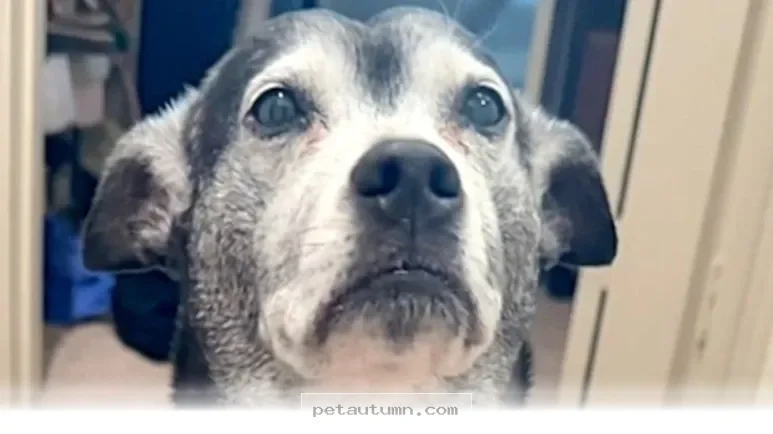
Pepper is one such dog who has captured hearts across the internet for over a decade. With her soulful gaze and habit of standing on her hind legs like a little person, she reminds us that our canine companions are far more observant than we often give them credit for.
Key Takeaways
- Dogs often mirror the body language and emotional states of their owners.
- Selective breeding and socialization can influence a dog’s expressive nature.
- Senior dogs frequently display deeper, more "human-like" patience and wisdom.
- Understanding canine body language strengthens the bond you share with your pet.
- Always prioritize your dog’s comfort and health when encouraging new behaviors.
The Science of Canine Expression
It is not just your imagination that your dog seems to be mimicking human gestures. Research suggests that domesticated dogs have evolved specific muscles around their eyes that allow them to make "puppy dog eyes" to communicate better with humans.
This evolution is a result of thousands of years of living alongside us. By reading our facial cues, they have learned how to influence our behavior to get more treats, belly rubs, or extra time on the sofa.
1. Why Some Dogs Seem So Human
You might wonder why some dogs seem to have more personality than others. Much of this comes down to individual temperament, early socialization, and the way you interact with them at home.
- Social Intelligence: Dogs are highly adept at interpreting human vocal tones and hand gestures.
- Bonding Patterns: Dogs that spend most of their time indoors with their family often mirror the household lifestyle.
- Physical Feedback: When you reward a dog for "human" behaviors like sitting at the table, they are likely to repeat that action.
- Aging: Just like people, senior dogs tend to move slower and display more thoughtful, deliberate behaviors.
2. Understanding Your Dog’s Behavior
If your dog is acting unusually or performing new, strange tricks, take a moment to observe the context. While some behaviors are cute, others might indicate that your pup is trying to communicate a specific need or discomfort.
| Behavior | Possible Meaning |
|---|---|
| Tilting head | Trying to process your voice or sound |
| Staring intently | Seeking attention or asking for something |
| Pacing | Could indicate anxiety or a need for exercise |
| Hiding | Often a sign of pain or feeling overwhelmed |
How to Foster a Deeper Connection
- Spend quiet time sitting with your dog without distractions like phones or televisions.
- Practice positive reinforcement training to help your dog learn new ways to communicate.
- Pay attention to their non-verbal cues, such as ear position and tail movement.
- Maintain a consistent routine to help your dog feel secure and confident in their environment.
3. Essential Supplies for Your Expressive Pet
If your dog is particularly active or prone to showing off their personality, you want to ensure they have the right gear to stay comfortable. You can find helpful resources on American Kennel Club to learn more about breed-specific behaviors.
- Orthopedic Bed: Essential for senior dogs who want to lounge in style.
- Interactive Puzzles: Great for keeping a smart, human-like mind sharp.
- High-Quality Harness: Perfect for comfortable walks while you explore together.
- Grooming Kit: Keeps those expressive eyes clear of fur for better communication.
You should always monitor your pet’s health to ensure their energy levels remain consistent. If you notice sudden changes, ASPCA offers excellent guides on recognizing when it is time to visit the clinic.
The information on petautumn.com is for general informational purposes only and does not constitute veterinary advice. Pet health needs vary by breed, age, and individual condition. Always consult a licensed veterinarian before making decisions about your pet’s health, diet, or medical treatment. Pet Autumn is not affiliated with any veterinary organization, pet food manufacturer, or breeder.
Watching your dog grow and display more personality is one of the true joys of pet ownership. Whether they are acting like a little human or just being their goofy canine selves, every moment spent together is a gift.
Continue to observe your dog with patience and love. They are constantly learning from you, and in turn, they teach us about loyalty, friendship, and the beauty of living in the moment.
Cat care writer at petautumn.com. English Literature graduate (S.S) from Universitas Udayana. Covers cat breeds, behavior, nutrition, grooming, and health. Cat mom to Luna and Lina. Based in Austin, Texas.