Written by Kadek Darma
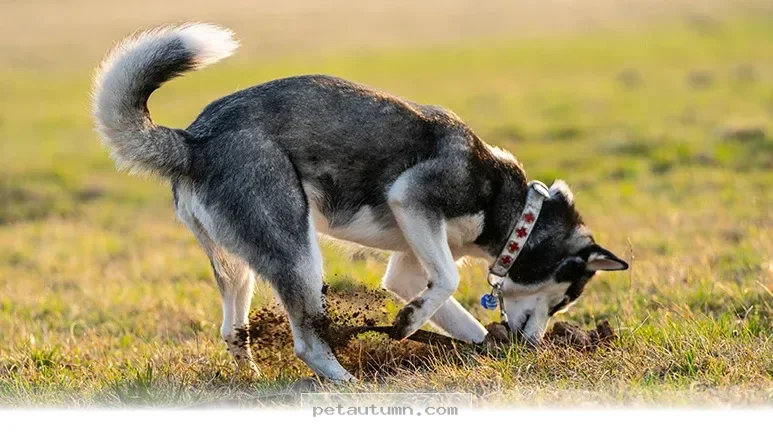
You reach under the couch cushion for the remote and pull out a soggy rawhide. A favorite chew toy has gone missing for the third time this week, only to turn up tucked inside the laundry basket. Out in the yard, a fresh mound of dirt marks the spot where the new bone disappeared yesterday.
If this sounds familiar, you are not alone. Hiding and burying favorite things is one of the most universal — and most puzzling — dog behaviors. The good news is that there is a clear evolutionary reason behind it.
Key Takeaways
- Burying items is an ancient survival instinct, acting as a natural food storage system for wild ancestors.
- Cool, dark soil served as a primitive refrigerator while helping to mask the scent of food from predators.
- Breeds with a high prey drive, such as terriers and hounds, are naturally more inclined to dig and stash items.
- Indoor hiding often occurs in multi-pet households where dogs feel they must protect their treasures from others.
- While typically harmless, you should monitor this behavior to ensure your pet is not consuming debris or spoiled items.
The Instinct Behind the Hiding
Burying and hiding go back thousands of years, long before kibble bowls and plush squeaky toys. Your dog’s wild ancestors lived a feast or famine life where they had to protect their hard-earned resources.
When they made a kill, they ate what they could and hid the rest to protect it from competitors. This survival strategy became hard-wired into the canine brain. Even after generations of domestication, the urge to stash valuables remains alive in your dog.
1. Understanding the Evolutionary Purpose
In the wild, finding food was challenging work. Hunting took immense time and energy, and a successful kill was a major event.
Once they caught prey, they ate quickly and buried the rest. Their stomachs could only hold so much, and hungry scavengers were always lurking nearby.
The Benefits of Burying
- Temperature Control: Soil acts as a natural insulator, keeping meat cool and fresh.
- Scent Masking: Earth prevents the smell of food from traveling to other predators.
- Future Planning: Providing a secure stash ensures a meal is waiting for later.
- Ownership: Hiding items establishes a claim on the resource.
2. Why Your Indoor Dog Still Stashes Items
Your dog is not worried about harsh winters or competing predators. Their dinner shows up reliably, treats appear from the cabinet, and toys are unlimited.
However, the instinct to save what they value is still present. When your dog grabs food from their bowl and trots off to drop it behind the sofa, they are simply following a deeply ingrained script.
Anything your dog considers high-value, such as a favorite bone or a stolen sock, becomes a treasure worth protecting. You can learn more about canine behavior patterns through the American Kennel Club.
Common Indoor Hiding Spots
- Behind or under sofa cushions.
- Deep inside laundry baskets.
- Tucked into the corners of their bedding.
- Behind heavy curtains or rugs.
3. Breed Tendencies and Personality
While almost any dog can develop a stashing habit, some breeds were practically designed for it. Terriers and hounds were originally developed to hunt and dig out small ground-dwelling prey.
Northern working breeds needed to store food for survival in extreme winter conditions. These breeds carry those instincts into modern home life.
Breed Groups and Hiding Habits
| Breed Type | Likelihood to Hide | Primary Motivation |
|---|---|---|
| Terriers | High | Instinctive digging and prey drive |
| Hounds | High | Scent-based resource protection |
| Northern Breeds | Moderate | Survival and food storage |
| Herding Dogs | Low | Focus on movement and control |
4. When Hiding Becomes a Concern
Hiding is usually harmless, but it can occasionally cross into problematic territory. If you notice your dog is guarding their items aggressively, it may be time to consult a professional trainer.
You also need to keep an eye on what they are stashing. If they are burying items in the yard, they might accidentally ingest soil, rocks, or decomposing matter.
Potential Risks of Burying
- Ingestion of Foreign Objects: Soil, sticks, and garden debris can cause blockages.
- Bacterial Growth: Spoiled food items can lead to significant stomach upset or illness.
- Chemical Exposure: Garden fertilizers or pesticides can be toxic if consumed.
The information on petautumn.com is for general informational purposes only and does not constitute veterinary advice. Pet health needs vary by breed, age, and individual condition. Always consult a licensed veterinarian before making decisions about your pet’s health, diet, or medical treatment. Pet Autumn is not affiliated with any veterinary organization, pet food manufacturer, or breeder.
Managing Your Dog’s Stashing Habit
If your dog is hiding things that are dangerous or if they are becoming overly possessive, you can manage the environment. Providing appropriate chew toys and rotating them can help keep your dog satisfied without the need for constant burying.
Ensure your yard is free of dangerous chemicals and inspect it regularly for holes. If you notice your dog bringing items back inside that have been buried, wash them thoroughly before giving them back.
Understanding that this is a natural behavior helps us be more patient with our furry friends. They are simply acting out a part of their history that remains strong, even in our modern homes.

Cat care writer at petautumn.com. English Literature graduate (S.S) from Universitas Udayana. Covers cat breeds, behavior, nutrition, grooming, and health. Cat mom to Luna and Lina. Based in Austin, Texas.