Written by Kadek Darma
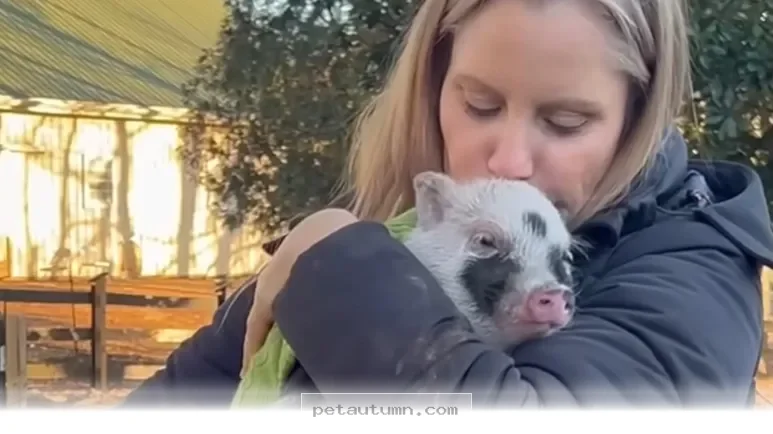
Every pet owner knows that special moment when you walk through the door and see your best friend waiting for you. For Marty, a pig who survived a heartbreaking past, that feeling of being a "good boy" was something he had to learn from scratch.
His journey from a life of neglect to the warmth of a sanctuary is nothing short of miraculous. Now, whenever he hears those three magic words, his tail spins in a whirlwind of pure, unadulterated joy.
Key Takeaways
- Pigs are highly emotional creatures capable of deep bonds with their human guardians.
- Positive reinforcement and kind words play a massive role in rehabilitating rescued animals.
- Sanctuaries provide the stability and socialization that neglected animals need to thrive.
- Observing animal behavior helps us understand how they process affection and safety.
Understanding Animal Resilience
Rescued animals often carry invisible baggage from their past experiences. Whether they were neglected or mistreated, the process of teaching them that they are safe is a beautiful, slow dance of trust.
When you bring a rescue into your life, you are not just providing food and shelter. You are offering them a new narrative where they are cherished for exactly who they are.
How to Build Trust with Rescued Pets
Building a connection with an animal that has known hardship requires patience and consistency. You must show them that your presence is a source of comfort rather than stress.
1. Establish a Predictable Routine
Animals feel much safer when they know what to expect from their day. Feed them at the same time and create consistent schedules for playtime or gentle interaction.
2. Use Soft and Positive Verbal Cues
Your tone of voice is more important than the specific words you choose. Use a warm, low-frequency tone when speaking to your pet to signal that everything is calm and controlled.
3. Respect Their Personal Space
Never force an animal to interact if they seem hesitant or overwhelmed. Letting them come to you on their own terms is the ultimate sign of respect and trust-building.
Comparing Rescue Pets and Bred Animals
It is helpful to recognize that while every animal is unique, rescue animals often have specific needs related to their backgrounds. The following table helps you understand some common differences in adjustment periods.
| Trait | Rescue Animal | Standard Adjustment |
|---|---|---|
| Socialization | Requires time and patience | Usually more predictable |
| Trust Levels | High potential for deep bonding | Varies by personality |
| Behavioral Quirks | Often related to past stress | Often related to training |
| Health History | May have unknown gaps | Usually fully documented |
Recognizing Signs of Comfort
Once your rescue pet starts to settle in, you will notice specific behaviors that indicate they feel secure. For Marty, it was the tail spin; for your pet, it might be something entirely different.
- Relaxed body posture and soft facial expressions.
- Seeking out physical proximity without being anxious.
- Engaging in play with toys or other companions.
- Eating well and sleeping in open, exposed areas of the house.
Creating a Sanctuary Space
If you are looking to help a rescue pet adjust, you need to provide a safe haven. This area should be quiet, warm, and free from loud noises or sudden movements.
- Identify a low-traffic corner of your home.
- Provide soft bedding that retains your scent.
- Add enrichment items like puzzles or safe chew toys.
- Monitor their behavior to ensure they retreat there when feeling shy.
For more information on animal behavior and care, you can refer to resources provided by the ASPCA. Understanding their psychological needs is the first step toward a lifelong friendship.
The information on petautumn.com is for general informational purposes only and does not constitute veterinary advice. Pet health needs vary by breed, age, and individual condition. Always consult a licensed veterinarian before making decisions about your pet’s health, diet, or medical treatment. Pet Autumn is not affiliated with any veterinary organization, pet food manufacturer, or breeder.
Watching a creature like Marty blossom under the influence of kindness is a powerful reminder of our impact. We hold the power to turn a life of fear into a life of joy.
Every small gesture you make towards your pet counts toward building that unbreakable bond. Keep listening to them, keep loving them, and enjoy every tail wag or happy grunt along the way.
Cat care writer at petautumn.com. English Literature graduate (S.S) from Universitas Udayana. Covers cat breeds, behavior, nutrition, grooming, and health. Cat mom to Luna and Lina. Based in Austin, Texas.