Written by Kadek Darma
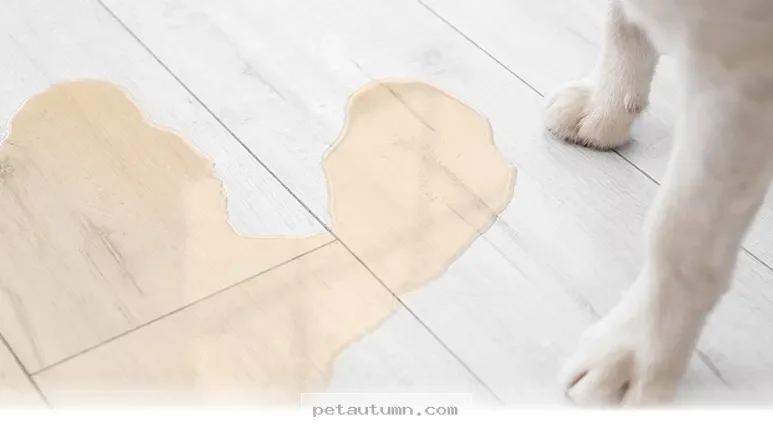
You walk through your front door only to discover a puddle on the kitchen floor where there should not be one. Your housebroken cat skips the litter box for the third time this week, leaving you feeling frustrated and confused.
Your dog asks to go outside, squats for what feels like forever, and produces only a few drops. These moments are more than just an inconvenience; they are your pet’s way of waving a red flag that something is wrong.
Key Takeaways
- Cystitis, or bladder inflammation, frequently presents as sudden changes in bathroom habits in both dogs and cats.
- While bacterial infections are the primary cause in dogs, cats—especially those under ten—often suffer from Feline Idiopathic Cystitis (FIC) linked to stress.
- Environmental enrichment and stress reduction can lead to an 80% reduction in symptoms for cats with FIC.
- A blocked male cat is a life-threatening medical emergency; if you notice straining without urine production, seek veterinary help immediately.
- Because cystitis stems from various sources like stones, tumors, or systemic diseases, a professional diagnosis is the only way to ensure your pet gets the right care.
Understanding Bladder Inflammation
Cystitis is the medical term for inflammation of the bladder. It is often painful, uncomfortable, and serves as a signal that your pet’s internal health requires closer inspection.
Because this condition can stem from minor issues or serious underlying diseases, paying attention to these behavioral shifts is vital. A trip to your veterinarian is the best way to determine the specific cause and start an appropriate path forward.
1. Recognizing the Symptoms
Pets cannot tell you that their bladder feels off, but they communicate their discomfort through specific behavioral changes. If you observe any of the following, keep a close watch on your companion:
- Frequent, unproductive trips to the bathroom
- Straining or prolonged squatting without results
- Whining, crying, or vocalizing during urination
- Visible blood in the urine
- Strong or foul-smelling urine
- Inappropriate accidents around the house
- Obsessive licking of the genital area
- A firm or distended bladder upon touch
2. Identifying Potential Causes
Cystitis is a complex symptom rather than a single disease, and the triggers often differ between species. In dogs, a bacterial infection is usually the primary culprit behind bladder inflammation.
However, dogs may also experience irritation due to bladder stones, tumors, or polyps. In some instances, it acts as a secondary symptom of systemic issues like diabetes, Cushing’s disease, or kidney disease.
For our feline friends, the cause is often tied to their environment. Feline Idiopathic Cystitis (FIC) is a common diagnosis in younger cats where no bacteria are present.
Research suggests that chronic anxiety wears down the protective lining of the bladder, leading to inflammation. Improving your cat’s environment by adding vertical spaces, scratching posts, and interactive play can often make a world of difference.
3. Comparing Common Urinary Issues
| Condition | Primary Cause | Typical Patient |
|---|---|---|
| Bacterial Cystitis | Bacterial infection | Common in dogs |
| Feline Idiopathic Cystitis | Stress and anxiety | Common in cats |
| Bladder Stones | Mineral accumulation | Dogs and cats |
| Systemic Disease | Diabetes or Kidney issues | Older pets |
4. The Diagnostic Journey
Because there are many reasons for these symptoms, your veterinarian will likely perform a thorough workup. This helps differentiate between a simple infection and more complicated structural issues.
- Physical Exam: Your vet will palpate the bladder to check for pain or physical abnormalities.
- Urinalysis: This check looks for blood, white blood cells, pH imbalances, and crystals.
- Culture and Sensitivity: This test identifies specific bacteria and helps select the most effective care plan.
- Imaging: X-rays or ultrasounds are used to visualize stones, tumors, or bladder wall thickening.
- Blood Work: Chemistry panels check for underlying metabolic conditions that might be affecting the urinary tract.
5. When to Seek Emergency Care
There is one scenario that requires immediate attention: a blocked urethra. This is most common in male cats, but it can happen to any pet.
If your pet is straining to urinate and producing nothing at all, do not wait for the morning. This is a life-threatening emergency that can lead to kidney failure or bladder rupture within hours.
Always keep the contact information for your nearest emergency animal hospital visible on your refrigerator. Being prepared allows you to act quickly when your pet needs you the most.
The information on petautumn.com is for general informational purposes only and does not constitute veterinary advice. Pet health needs vary by breed, age, and individual condition. Always consult a licensed veterinarian before making decisions about your pet’s health, diet, or medical treatment. Pet Autumn is not affiliated with any veterinary organization, pet food manufacturer, or breeder.
Getting to the bottom of these bathroom red flags might feel overwhelming, but you are not alone in this process. Most pets respond well to care once the underlying cause is identified and addressed by a professional.
Stay observant of your pet’s daily habits and reach out to your veterinarian at the first sign of trouble. Your proactive approach is the best way to ensure your furry friend stays comfortable and happy for years to come.

Cat care writer at petautumn.com. English Literature graduate (S.S) from Universitas Udayana. Covers cat breeds, behavior, nutrition, grooming, and health. Cat mom to Luna and Lina. Based in Austin, Texas.